Quick answer
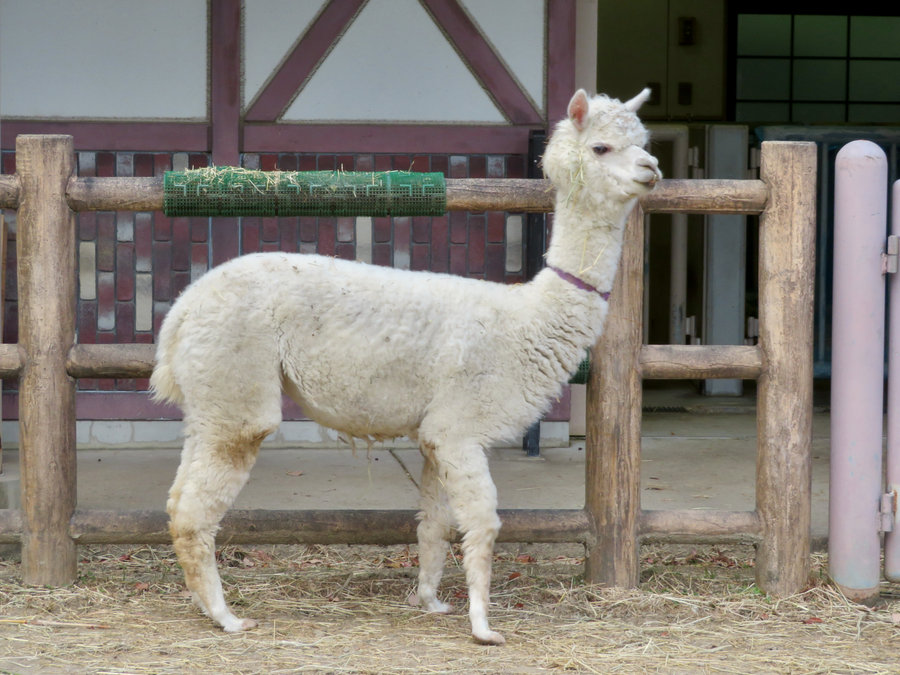
Alpacas are small domesticated camelids prized for soft, hypoallergenic fleece that comes in 22 natural colours. Native to the Andean highlands, they weigh 55–90 kg (120–200 lb), live in social herds, and communicate with soft hums, clucks, and alarm calls.
Key takeaway
Alpacas are small domesticated camelids prized for soft, hypoallergenic fleece that comes in 22 natural colours. Native to the Andean highlands, they weigh 55–90 kg (120–200 lb), live in social herds, and communicate with soft hums, clucks, and alarm calls.
Alpaca overview
Alpaca (Vicugna pacos) is an mammal listed here as Domesticated. Typical weight 55–90 kg (120–200 lb); lifespan around 15–20 years with good care.
Alpaca ecology
Diet: Herbivore — grass, hay, and mineral supplement. Habitat: Andean highlands above 3,500 m; farms worldwide. Movement and social systems reflect those pressures across the native range.
Alpacas and people
Learn before you travel or keep related pets. Wild alpacas are not toys; captive care needs species-specific husbandry.
Status and further reading
Conservation label in our guides: Domesticated. See the full Alpaca profile for taxonomy, FAQs, and related topic guides on this site.
Fleece and shearing
Alpaca fibre is fine, warm, and lacks the lanolin found in sheep wool, making it popular for hypoallergenic textiles. Animals are shorn annually, yielding several kilograms of fleece. Huacaya alpacas have crimped, fluffy fleece; Suri alpacas have silky, dreadlock-like locks.
Sources
Alpaca FAQs
What are key facts about alpacas?
Alpacas are small domesticated camelids prized for soft, hypoallergenic fleece that comes in 22 natural colours. Native to the Andean highlands, they weigh 55–90 kg (120–200 lb), live in social herds, and communicate with soft hums, clucks, and alarm calls.
What is the scientific name of the alpaca?
Vicugna pacos — used in research and conservation listings for alpacas.
What do alpacas eat?
Alpacas eat grass, hay, and mineral supplement, with seasonal and regional variation in Andean highlands above 3,500 m; farms worldwide.
Where do alpacas live?
They are associated with Andean highlands above 3,500 m; farms worldwide. Local presence depends on food, cover, and human land use.
What is the conservation status of alpacas?
Listed in our guides as Domesticated. Check the IUCN Red List and national assessments for the latest formal category.