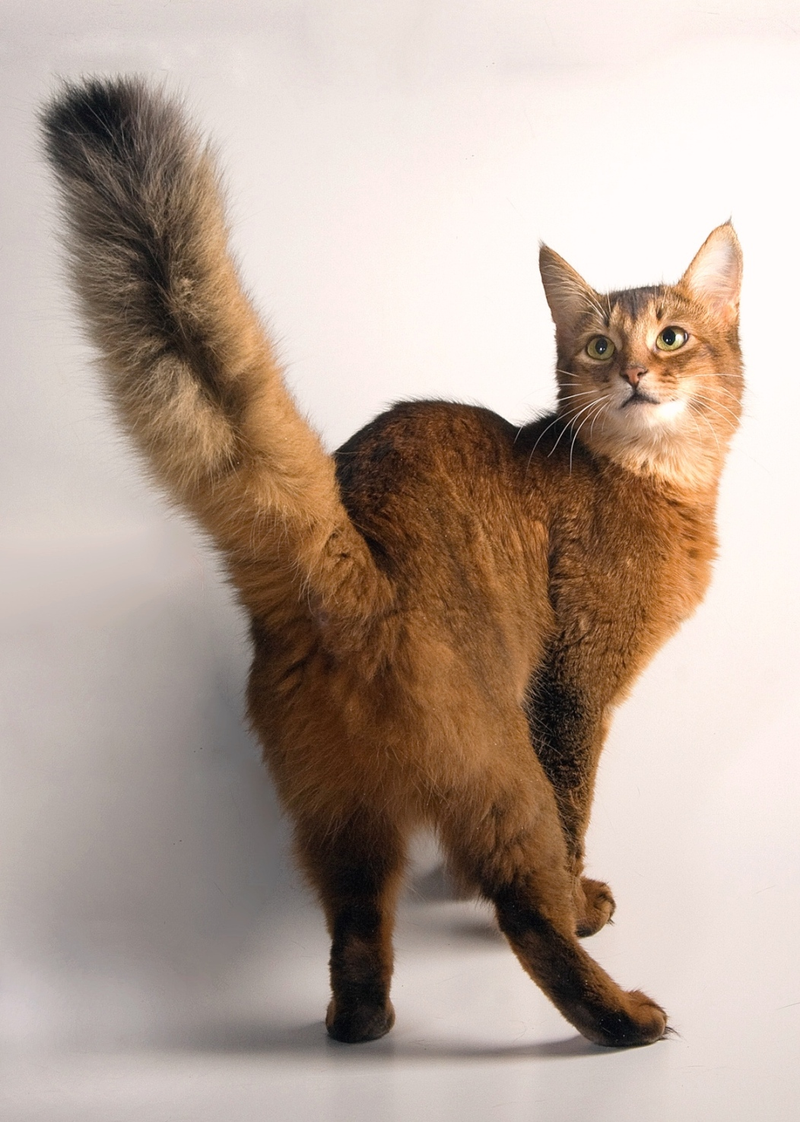
Somali
Quick answer
The Somali is a active, curious, playful cat breed from United States. A longhaired Abyssinian with a ticked coat and fox-like brush tail.
Somali at a glance
| Origin | United States |
|---|---|
| Size | Medium (3–5 kg) |
| Weight | 3–6 kg typical |
| Lifespan | 13–17 years |
| Coat | See breed standard — grooming needs vary |
| Temperament | Active, curious, playful |
| Good with | Indoor homes with appropriate socialisation |
History of the Somali
Somalis developed from longhaired Abyssinian kittens.
Interesting facts about the Somali
- The Somali comes from United States.
- Known for being active, curious, playful.
If a cat of your own isn't practical right now, you can adopt a cat symbolically through World Animal Rescue Network — it funds rescue and care for community cats.
Common health issues in the Somali and how to help
Like all cat breeds, the Somali can be more prone to a few specific health conditions. Knowing the early signs helps you act quickly — always consult a qualified vet for diagnosis and treatment.
Progressive retinal atrophy
What it is: Progressive retinal atrophy can occur in this breed and may need veterinary monitoring.
How to help: Discuss prevention and treatment with your vet.
Renal amyloidosis
What it is: Renal amyloidosis can occur in this breed and may need veterinary monitoring.
How to help: Discuss prevention and treatment with your vet.
Dental disease
What it is: Plaque and tartar build-up leads to gum infection and tooth loss.
How to help: Brush teeth regularly and schedule professional dental cleanings as your vet advises.
This is general information for owners, not veterinary advice. If you are worried about your cat's health, contact your vet.
Frequently asked questions about the Somali
Are Somalis good family cats?
Somalis can make devoted companions in the right home. Match their energy, grooming, and training needs to your household before choosing this breed.
How much exercise does a Somali need?
Exercise needs vary by individual, but most Somalis benefit from daily walks, play, and mental stimulation suited to their size and temperament.
What health problems are common in Somalis?
Like all breeds, Somalis have predispositions to certain conditions. Choose responsible breeders who health-test parents and maintain regular veterinary care.