Species guide
Japanese White-eye (Zosterops japonicus)
- Size
- Small (~11 cm)
- Key marks
- Olive-green with prominent white eye-ring and yellow throat
- Sound
- High thin cheeps in flocks
- When seen
- Year-round in gardens and woodland edges
Eurasian Tree Sparrow (Passer montanus)
- Size
- Small (~14 cm)
- Key marks
- Chestnut crown and nape, black cheek spot, pale cheeks
- Sound
- Chirping at feeders and roofs
- When seen
- Year-round — Japan's default sparrow
Brown-eared Bulbul (Hypsipetes amaurotis)
- Size
- Medium (~28 cm)
- Key marks
- Brown body, long tail, distinctive brown ear tufts
- Sound
- Noisy metallic calls
- When seen
- Year-round; common in Honshu and north
Oriental Turtle Dove (Streptopelia orientalis)
- Size
- Medium (~31 cm)
- Key marks
- Pinkish grey with scaly pattern on back and neck
- Sound
- Deep four-note cooing
- When seen
- Year-round ground feeder
Black-faced Bunting (Emberiza spodocephala)
- Size
- Small (~15 cm)
- Key marks
- Male: black head and throat in breeding; female olive
- Sound
- Simple metallic trill
- When seen
- Summer breeder; migrants pass spring and autumn
Japanese Pygmy Woodpecker (Yungipicus kizuki)
- Size
- Small (~14 cm)
- Key marks
- Barred black-and-white back, red patch on male crown
- Sound
- High peek-peek and drumming
- When seen
- Year-round in wooded gardens
Varied Tit (Sittiparus varius)
- Size
- Small (~14 cm)
- Key marks
- Grey head, black throat bib, chestnut belly patch
- Sound
- Clear pii-pii calls
- When seen
- Year-round at feeders in winter
White-cheeked Starling (Spodiopsar cineraceus)
- Size
- Medium (~24 cm)
- Key marks
- Grey body, white cheeks, dark hood in breeding adults
- Sound
- Harsh whistles and chatter
- When seen
- Year-round in cities
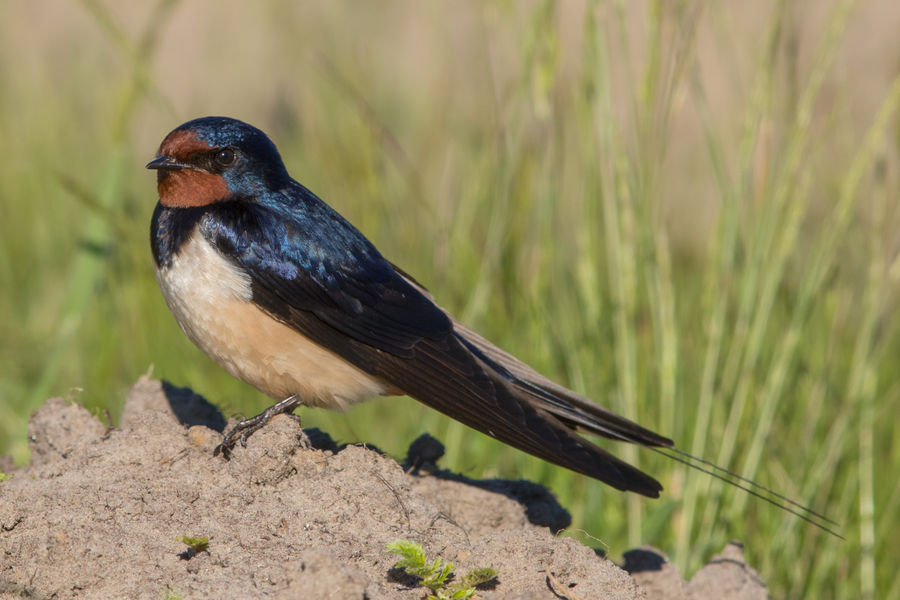
Barn Swallow (Hirundo rustica)
- Size
- Small (~17 cm)
- Key marks
- Blue back, rusty throat, long forked tail
- Sound
- Musical twittering in flight
- When seen
- Summer breeder under eaves
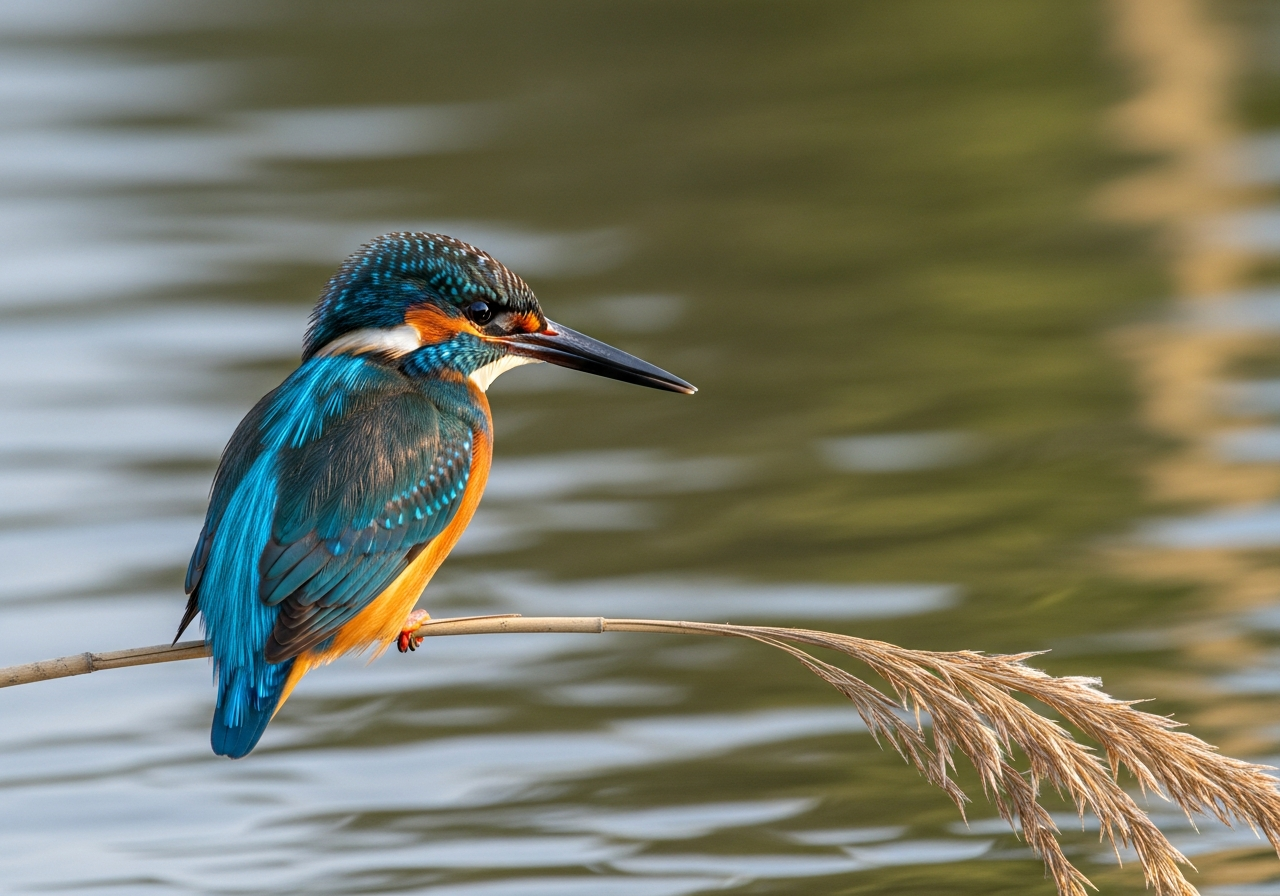
Common Kingfisher (Alcedo atthis)
- Size
- Small (~16 cm)
- Key marks
- Brilliant blue-orange plumage, dagger bill
- Sound
- High whistle near water
- When seen
- Year-round on streams and ponds
FAQs
What is the most common bird in Japanese cities?
Tree sparrows and brown-eared bulbuls are among the most frequently seen species in urban Japan.
Are there crows in Japan?
Yes — large-billed and carrion crows are common, but this guide focuses on smaller garden species.
When is the best time for birding in Japan?
Spring migration (April–May) and winter bring the most variety at feeders and parks.
Do Japanese gardens attract unique species?
Temple ponds and native planting attract kingfishers, white-eyes, and bulbuls in suburban areas.
Sources & references
Identification marks and calls are compiled from established field guides and ornithological references for Japan.
-
RSPB wildlife guides
UK and international bird identification.
-
Cornell Lab — All About Birds
Photos, calls, and ID tips for North American species.
-
iNaturalist
Community-verified species observations worldwide.
- Global Animal Guide editorial standards