Quick answer
Symbolic animal adoption is a donation to wildlife conservation made in the name of a chosen species — you don't take the animal home. In return you usually receive an adoption certificate, a fact card or photo, and sometimes a soft toy, while your gift funds the protection of that species and its habitat. It's popular as a meaningful, low-clutter gift.
How does symbolic animal adoption work?
You pick a species — a tiger, elephant, polar bear, or one of dozens of others — and make a donation (often a one-off or monthly gift). The money goes toward conservation work for that species and its habitat: anti-poaching, habitat protection, rescue, and research. You don't own or house the animal; “adoption” is simply a way of personalising your support.
What do you get when you adopt an animal?
Packages vary, but typically include an adoption certificate, a species fact or photo card, and often a plush toy of the animal — which is why it's such a popular gift for children and animal lovers. Some programmes also send updates on the conservation work your gift supports.
Is symbolic adoption a good gift?
Yes — it's a thoughtful, clutter-free present that does real good, ideal for the animal lover who has everything, and great for birthdays, holidays, or as a teaching gift for kids. You're giving both a keepsake and a genuine contribution to protecting wildlife.
Are wildlife adoption programmes legitimate?
Most are, as long as the organisation is reputable and transparent about where the money goes. Before adopting, check an organisation's registration and how it uses funds. Global Animal Guide supports the work of conservation organisations tackling these threats on the ground.
Animals you can adopt
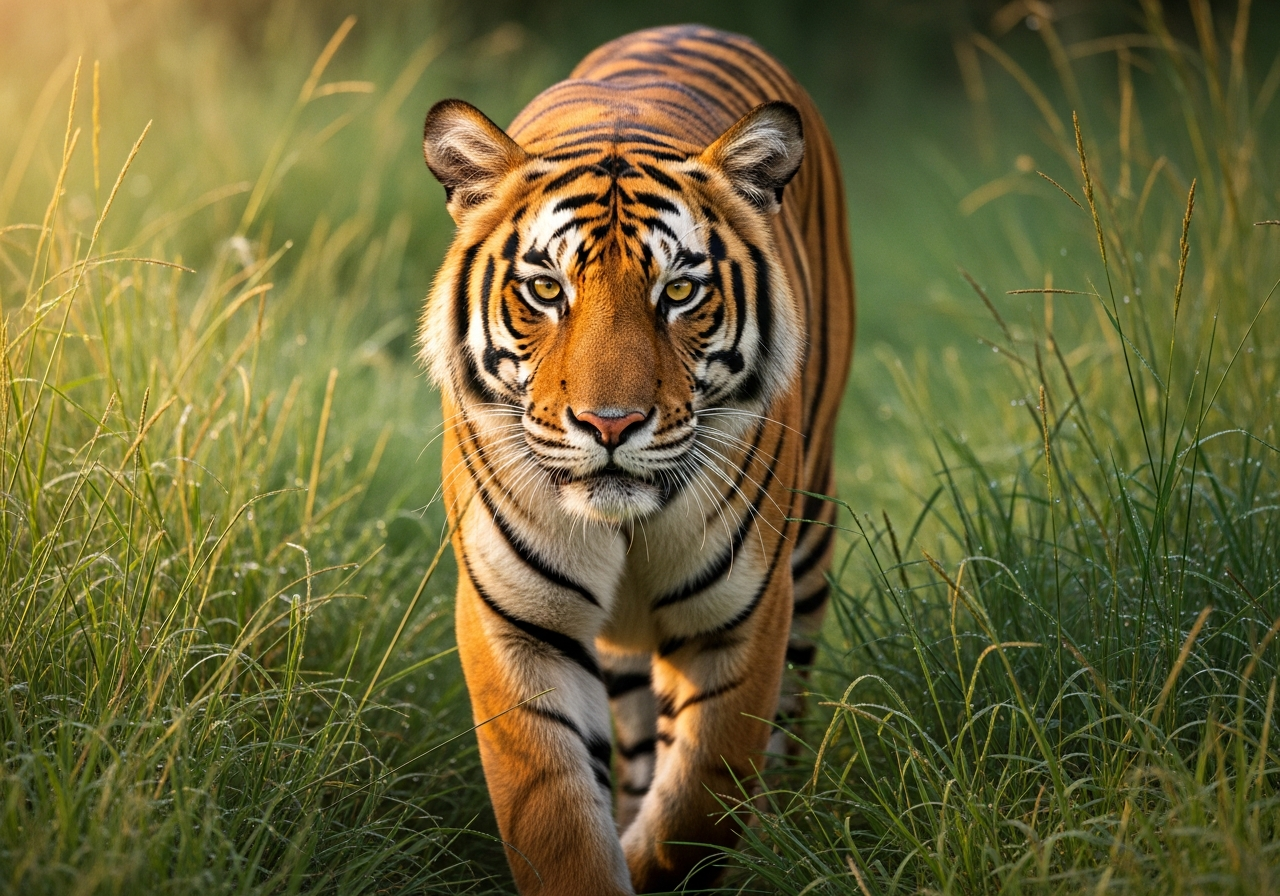
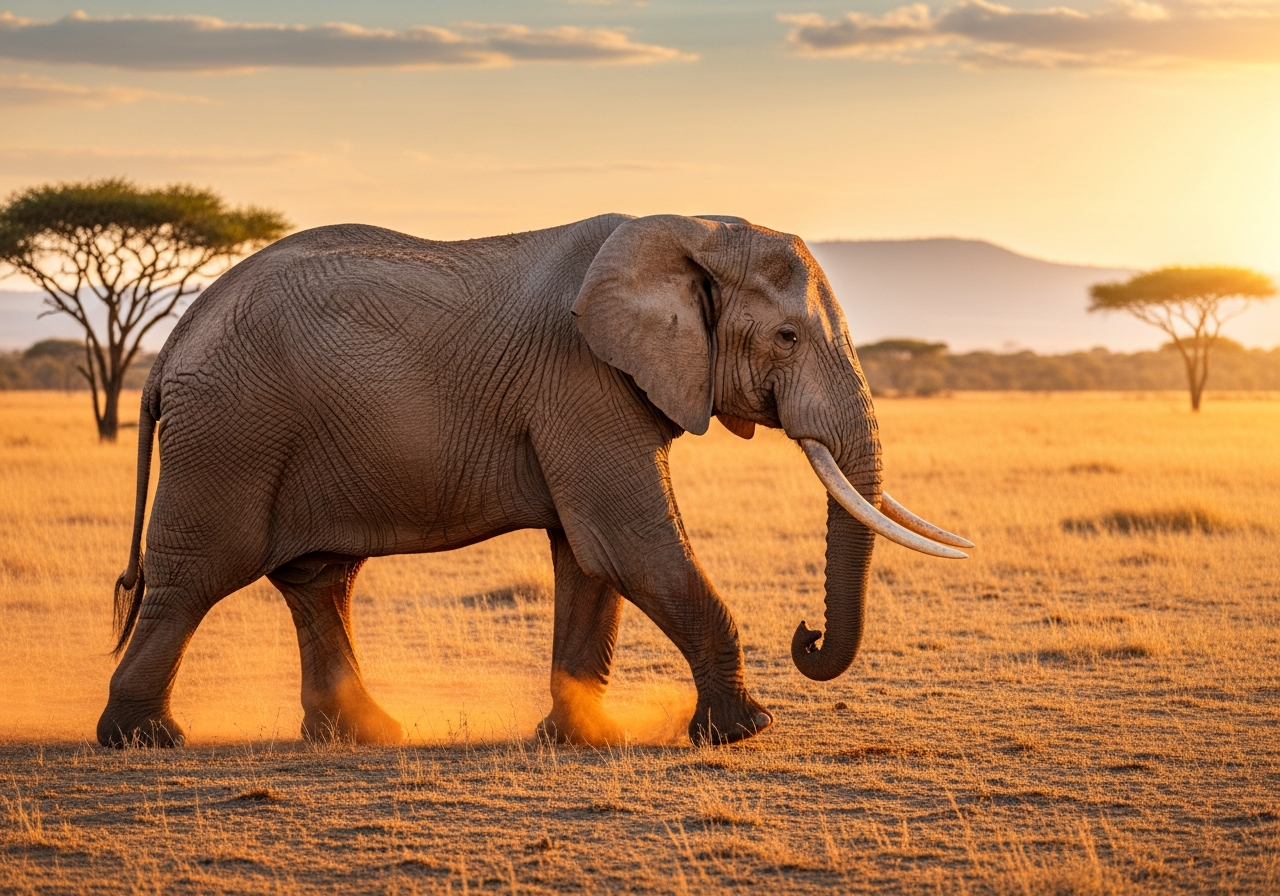
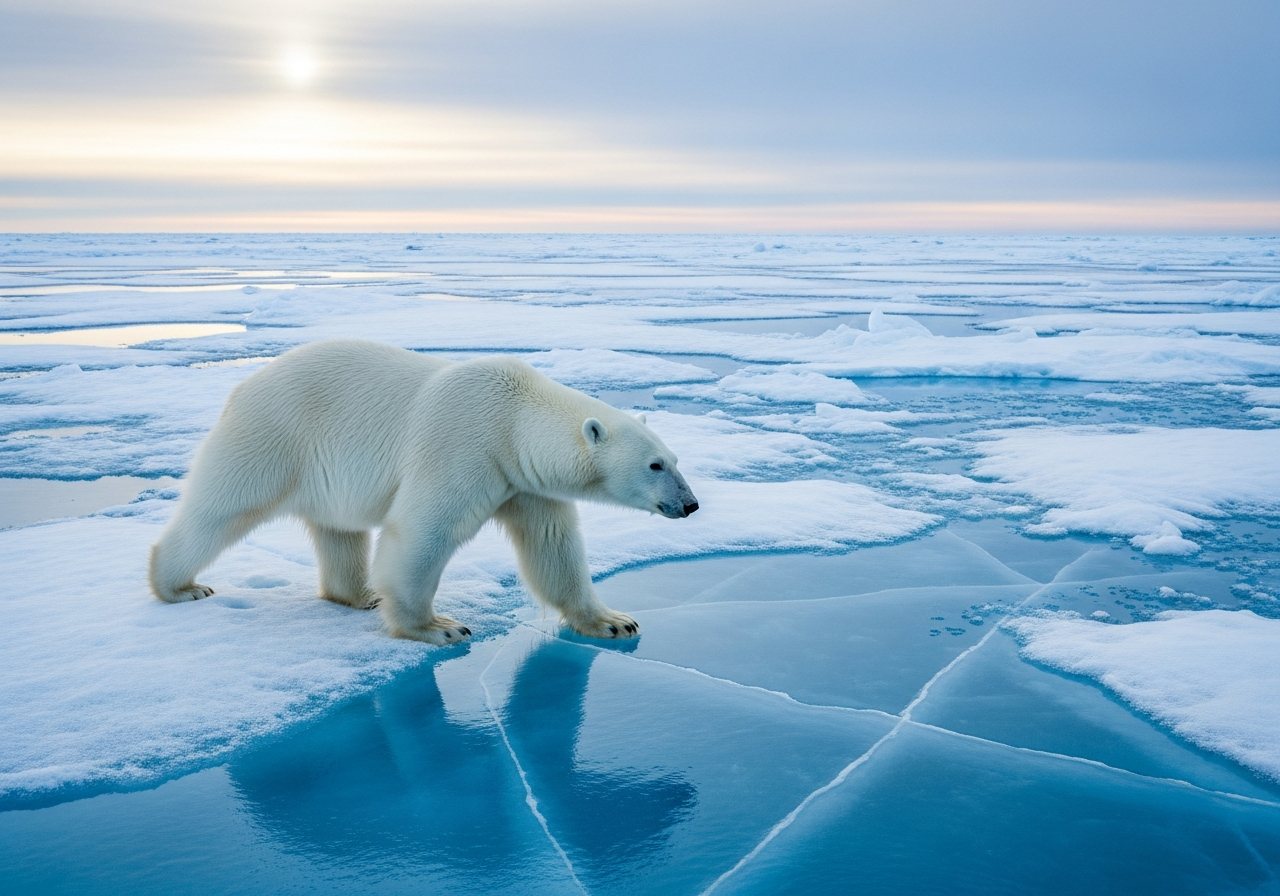
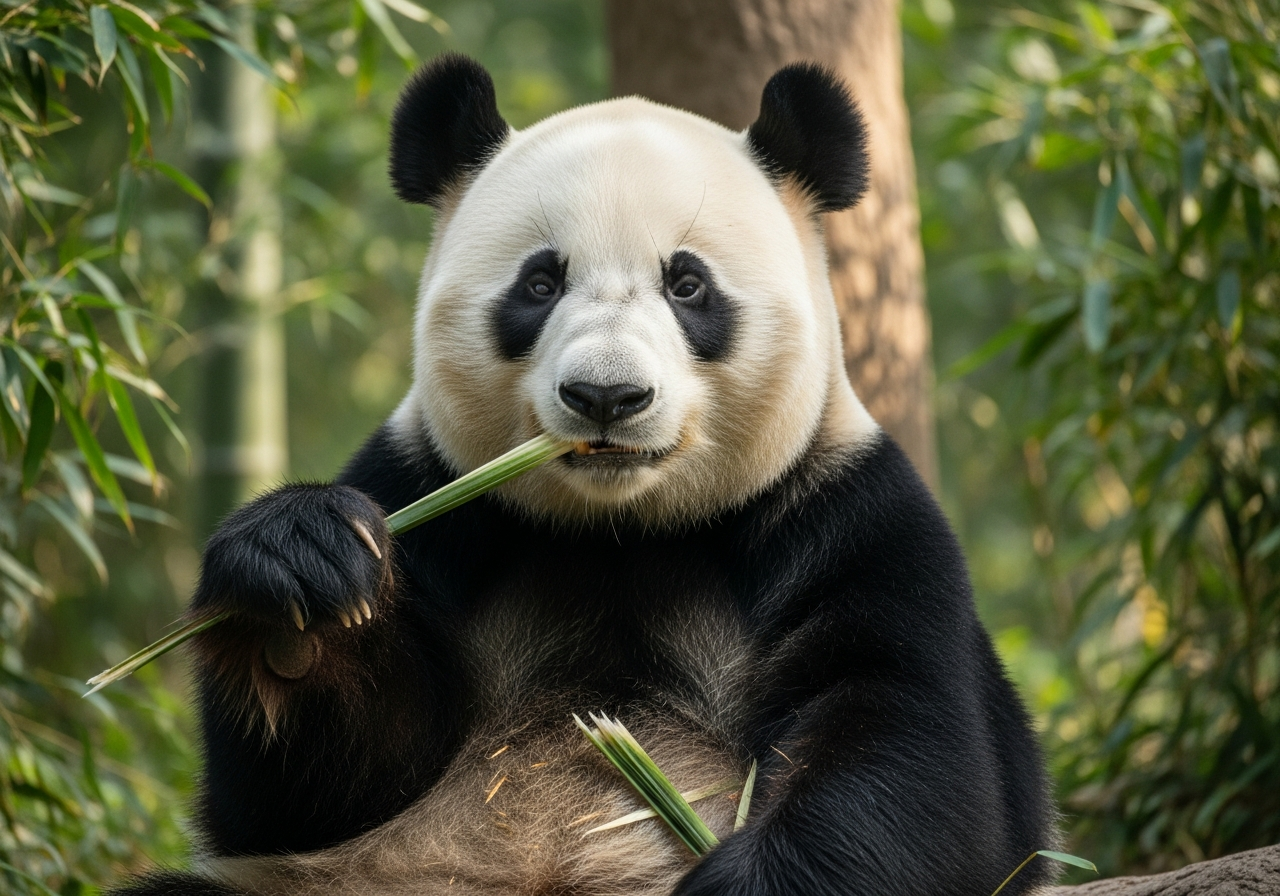
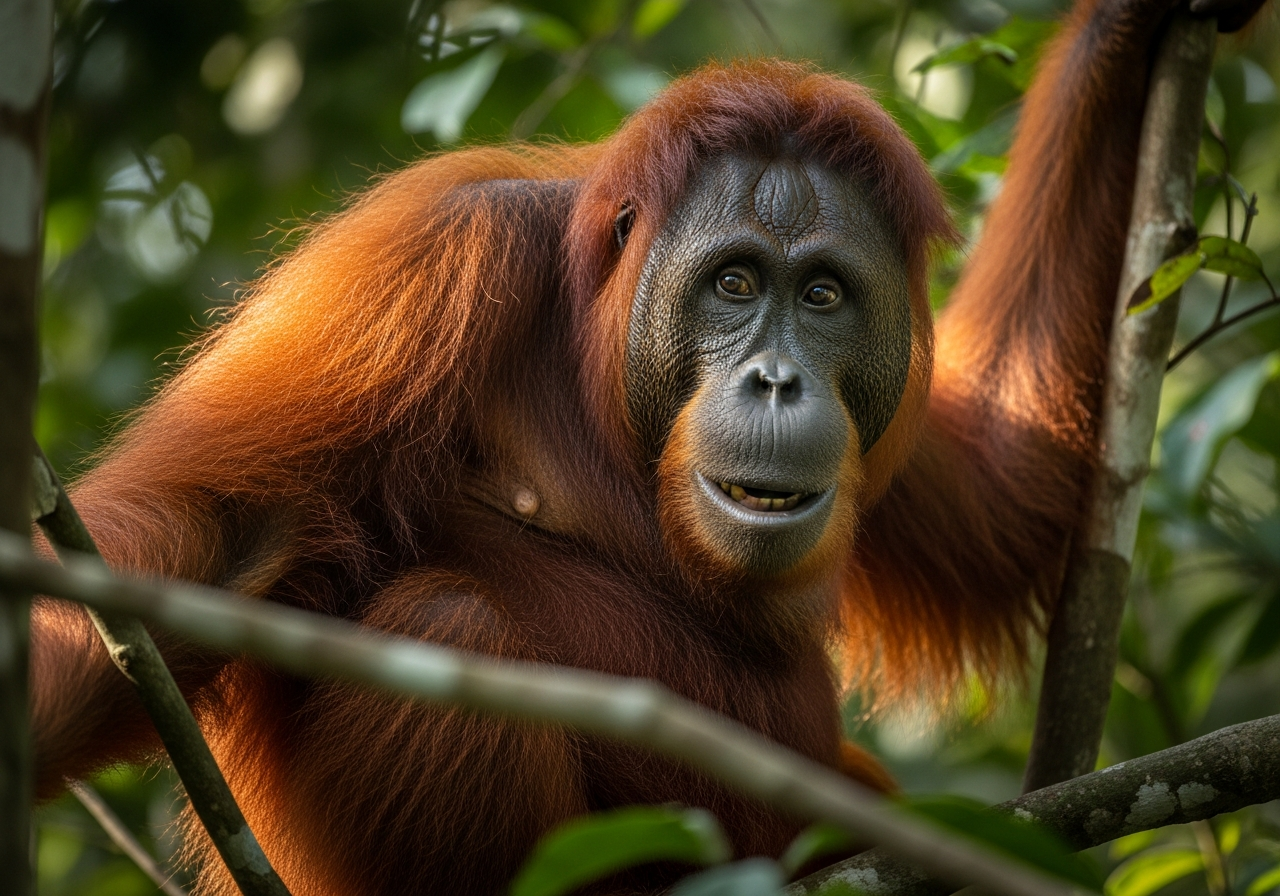
Explore species that are popular to symbolically adopt. Each page explains why they need help and links to the full animal guide.
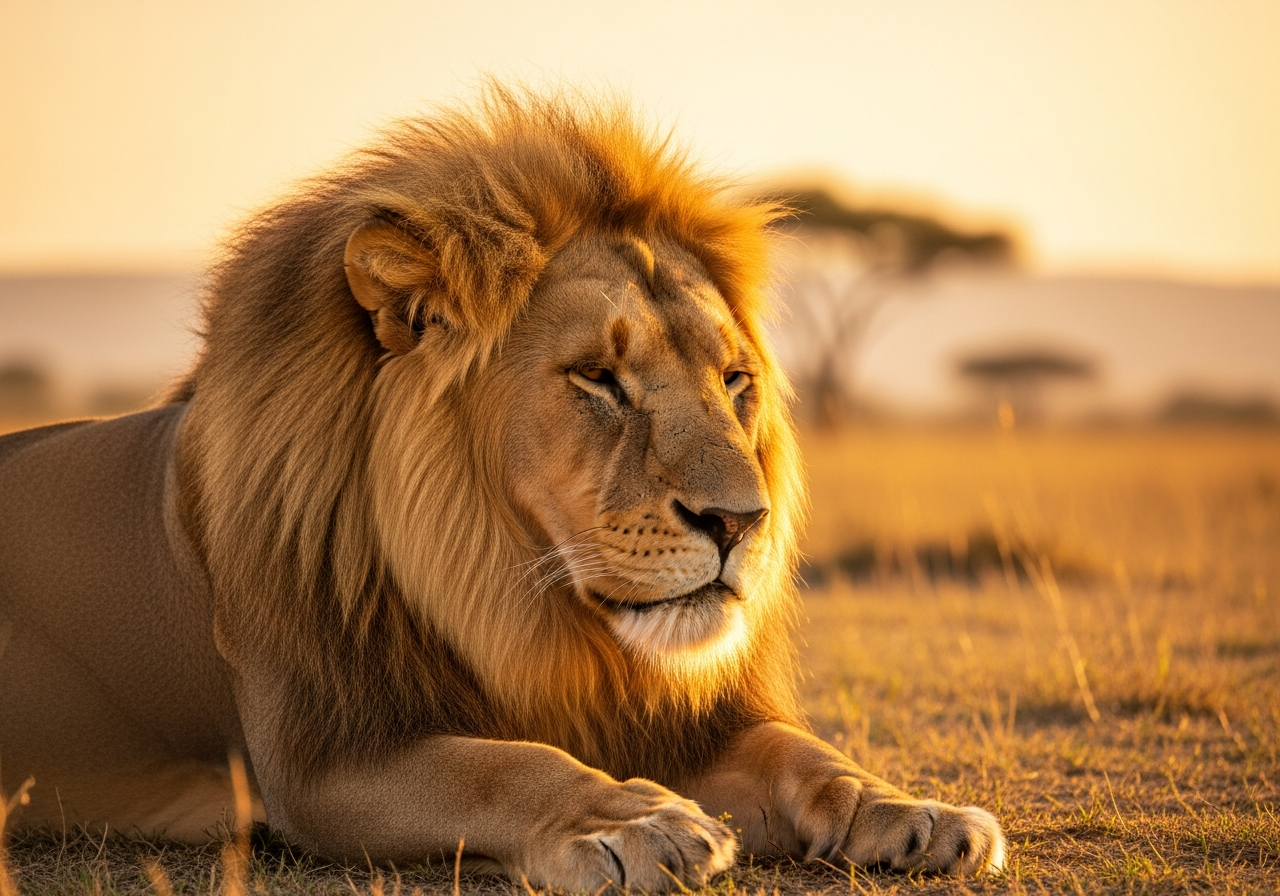
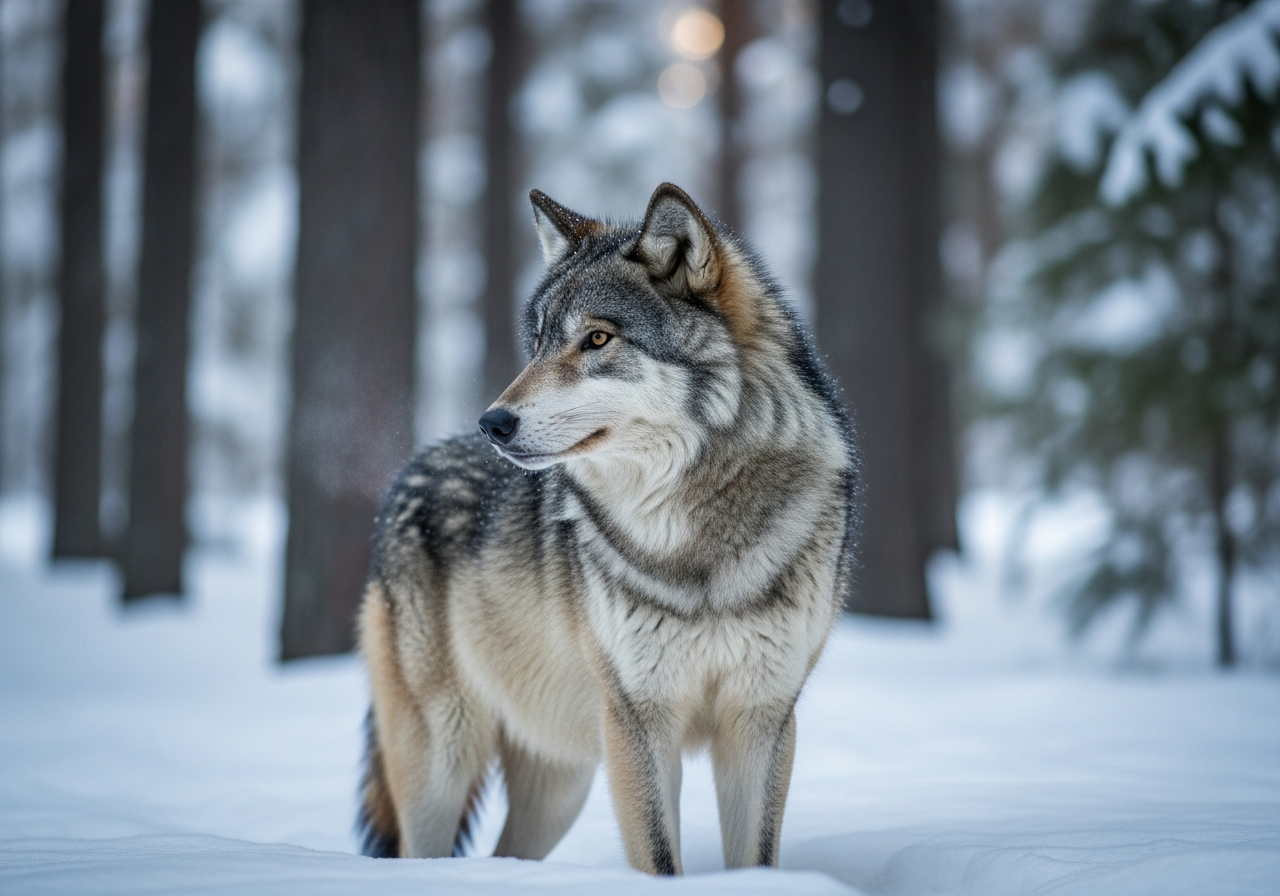
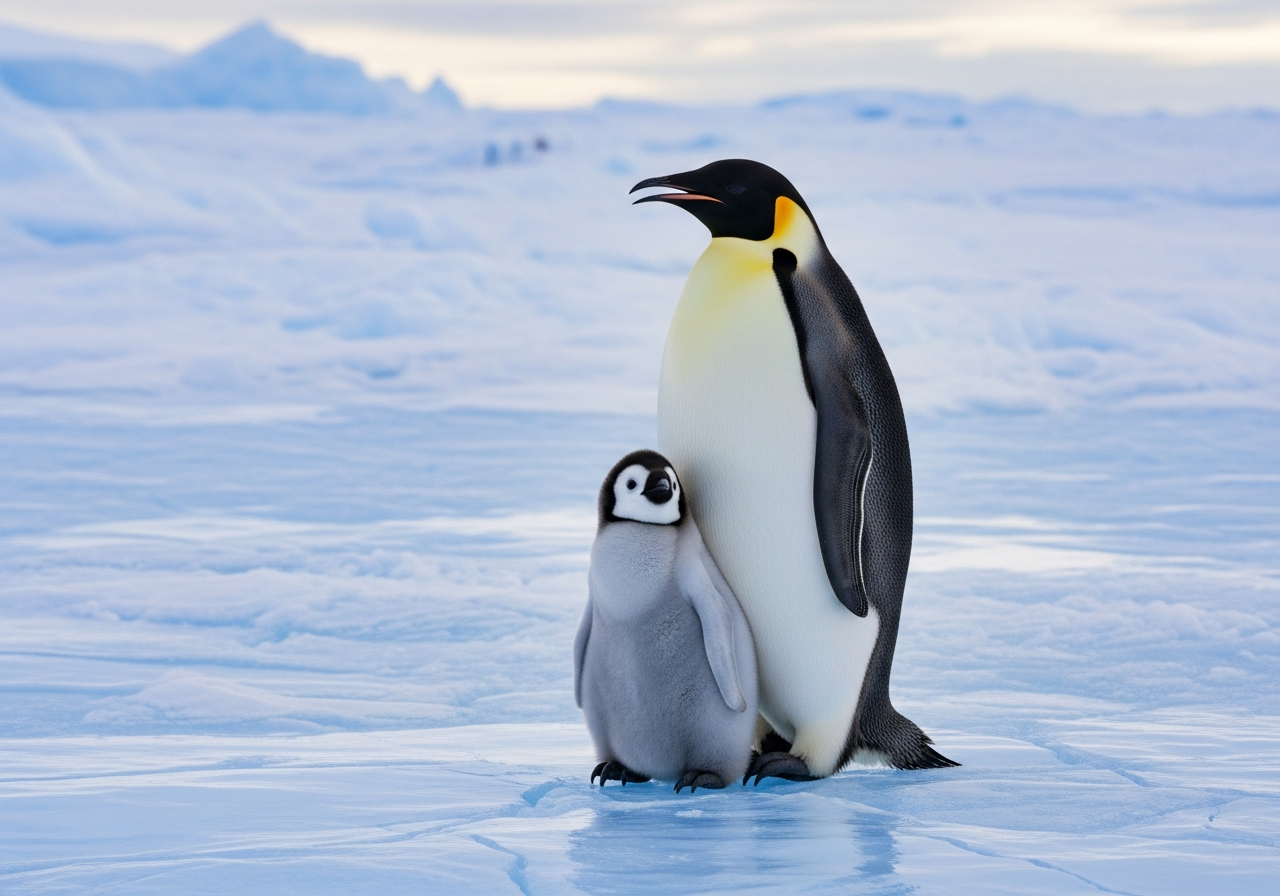
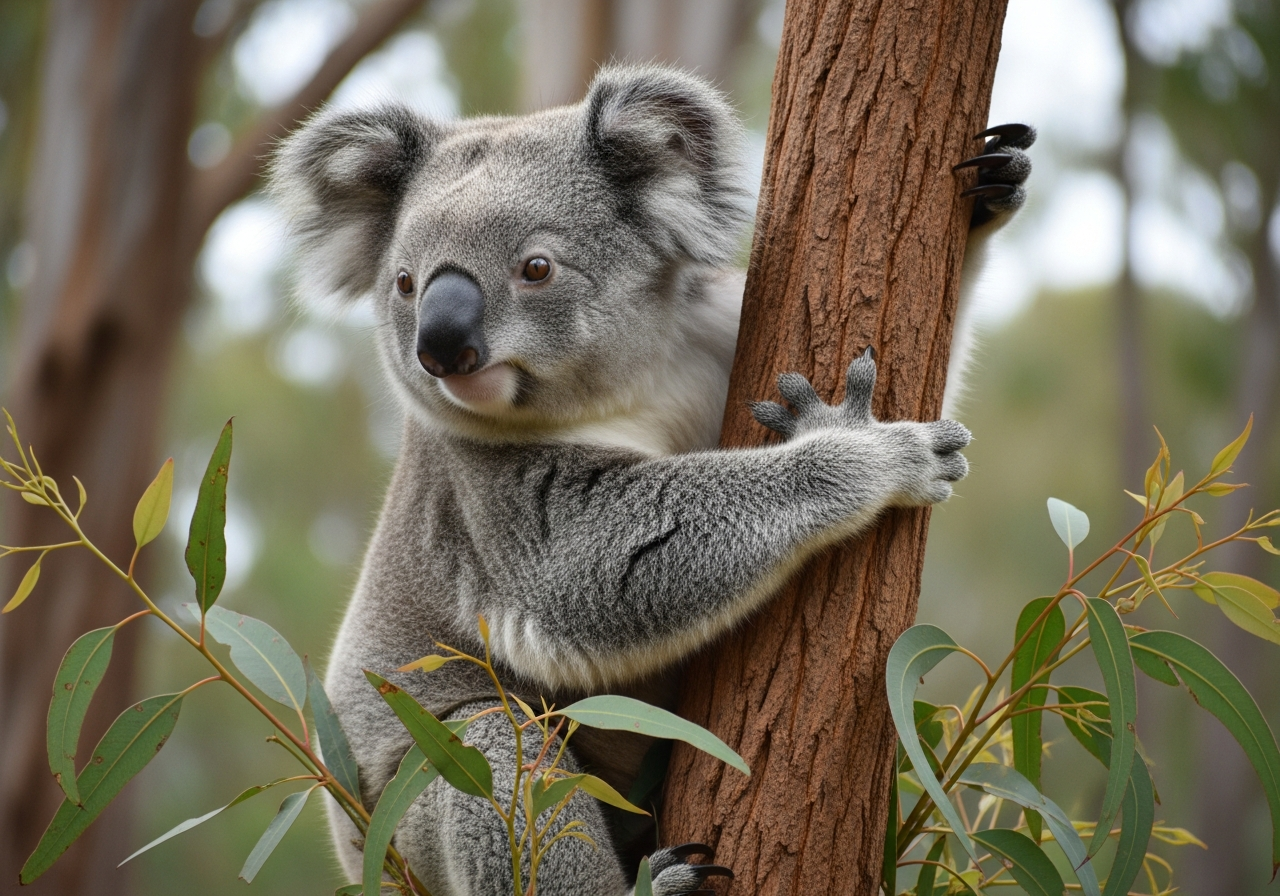
Symbolic adoption: FAQs
Do you actually get the animal when you adopt one?
No. Symbolic adoption is a donation — the animal stays in the wild or in a sanctuary. “Adoption” is simply a way of personalising your support for a chosen species; you never own or house the animal.
What animals can you symbolically adopt?
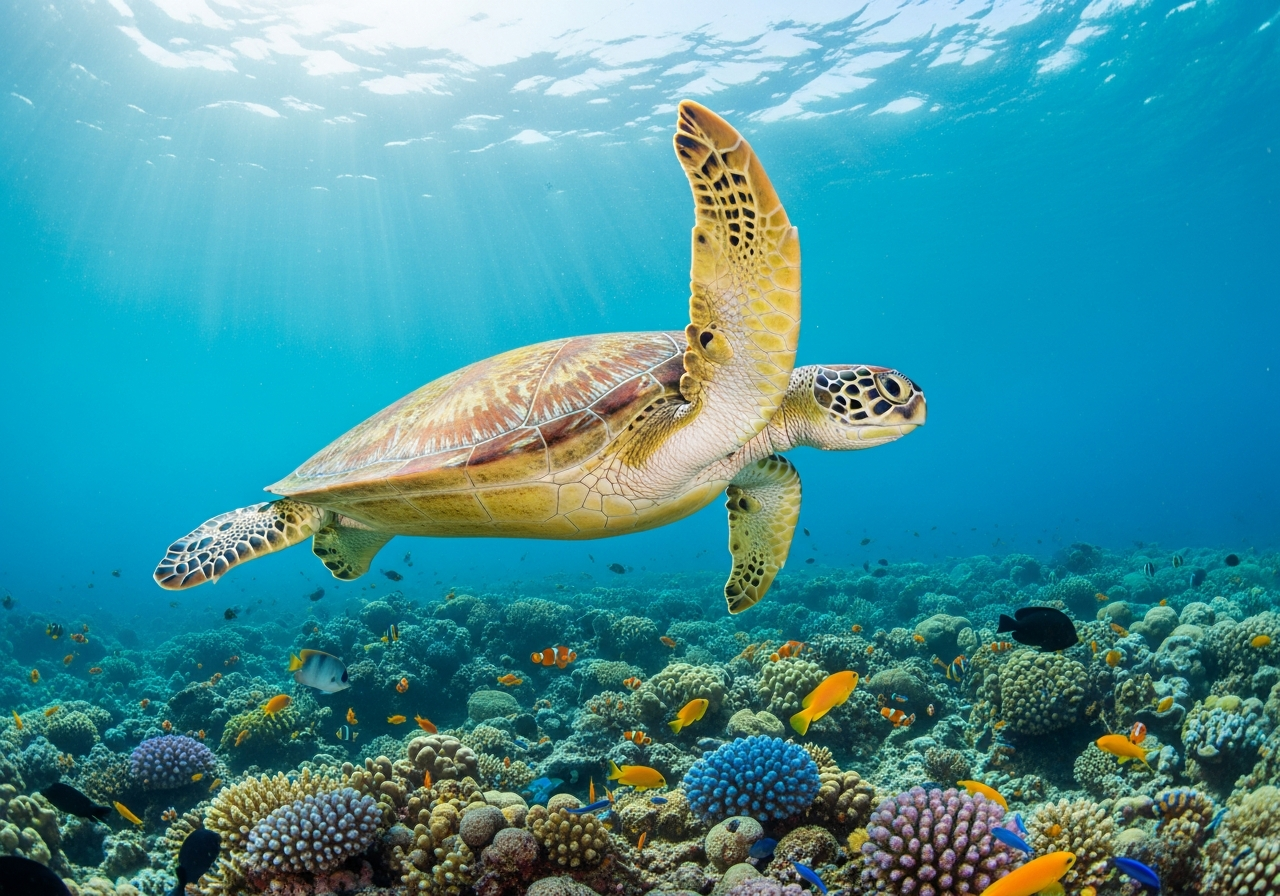
Commonly tigers, elephants, pandas, polar bears, lions, penguins, sea turtles, and many more — including some unusual species. Programmes vary, so the exact list depends on the organisation you choose.
What do you get when you adopt an animal?
Packages vary, but symbolic adoptions typically include an adoption certificate, a species fact or photo card, and often a plush toy of the animal — which is why they are such a popular gift for children and animal lovers. Some programmes also send updates on the conservation work your gift supports.
Is symbolic adoption a good gift?
Yes. It is a thoughtful, clutter-free present that does real good — ideal for the animal lover who has everything, and great for birthdays, holidays, or as a teaching gift for children. You give both a keepsake and a genuine contribution to protecting wildlife.
Are wildlife adoption programmes legitimate?
Most are, as long as the organisation is reputable and transparent about where the money goes. Before adopting, check the charity's registration and how it uses its funds, so you can give with confidence.