Common Pheasant vs Brown Pelican
Quick answer
In a hypothetical one-on-one, the Brown Pelican would most likely come out on top in a close contest, thanks to its a more favorable balance of size, strength, and weaponry. In reality, animals like these rarely meet, and both would usually avoid a fight.
This is a hypothetical, educational comparison based on typical size, strength, and natural weaponry. In the wild these animals rarely meet, and most encounters end without a fight.
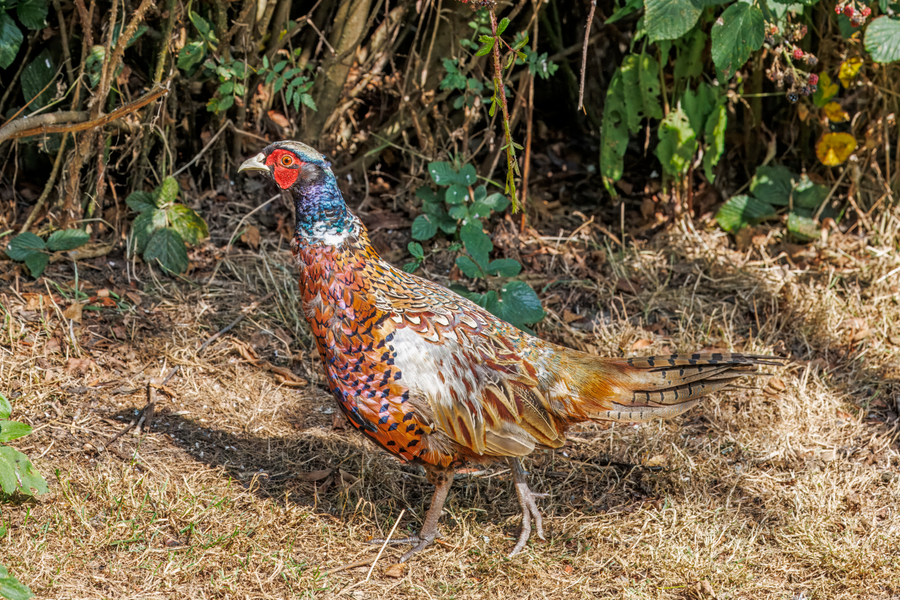
Bird
Least Concern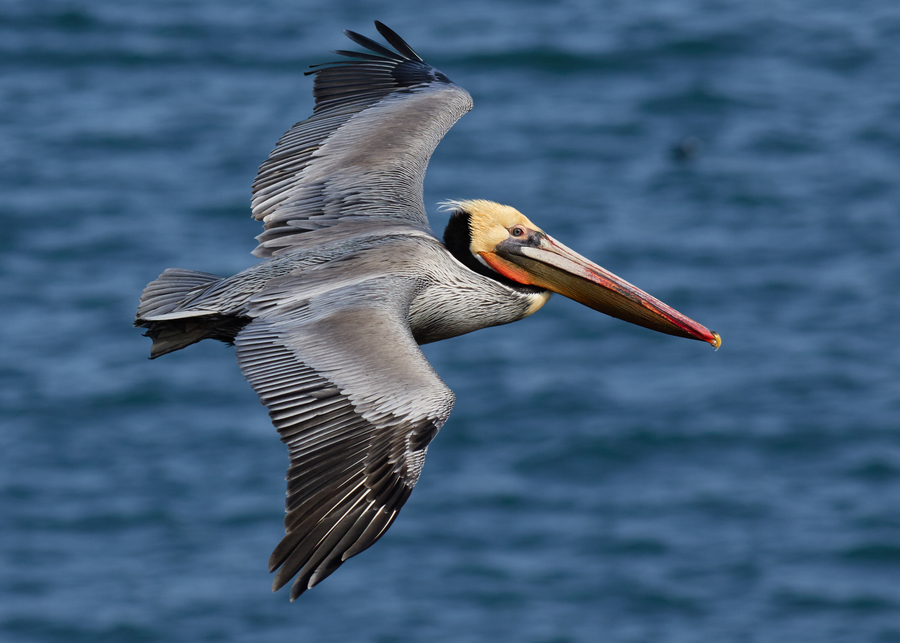
Bird
Least ConcernCommon Pheasant vs Brown Pelican compared
| Attribute | Common Pheasant | Brown Pelican |
|---|---|---|
| Weight | 1.2 kg | 4 kg |
| Length | 75 cm | 1.4 m |
| Top speed | 60 km/h | 48 km/h |
| Strength | 15/100 | 20/100 |
| Deadliness | 5/100 | 5/100 |
| Intelligence | 35/100 | 42/100 |
| Lifespan | 3 yr | 25 yr |
Common Pheasant vs Brown Pelican: common questions
Who would win in a fight, a Common Pheasant or a Brown Pelican?
In a hypothetical one-on-one, the Brown Pelican would most likely come out on top in a close contest, thanks to its a more favorable balance of size, strength, and weaponry. In reality, animals like these rarely meet, and both would usually avoid a fight.
Which is bigger, the Common Pheasant or the Brown Pelican?
The Brown Pelican is heavier, weighing around 4 kg compared with the other's 1.2 kg.
Which is faster, the Common Pheasant or the Brown Pelican?
The Common Pheasant is faster, reaching about 60 km/h versus 48 km/h.
Which lives longer, the Common Pheasant or the Brown Pelican?
The Brown Pelican typically lives longer, up to around 25 years compared with 3 years.
Sources & references
Size, speed, and conservation data are drawn from established zoological references. Compare full profiles for habitat, diet, and behaviour:
- Common Pheasant — full guide
IUCN Red List (Least Concern, Phasianus colchicus)
- Brown Pelican — full guide
IUCN Red List (Least Concern, Pelecanus occidentalis)
-
Global Animal Guide editorial standards
How we research, source, and review wildlife comparisons.