Quick answer
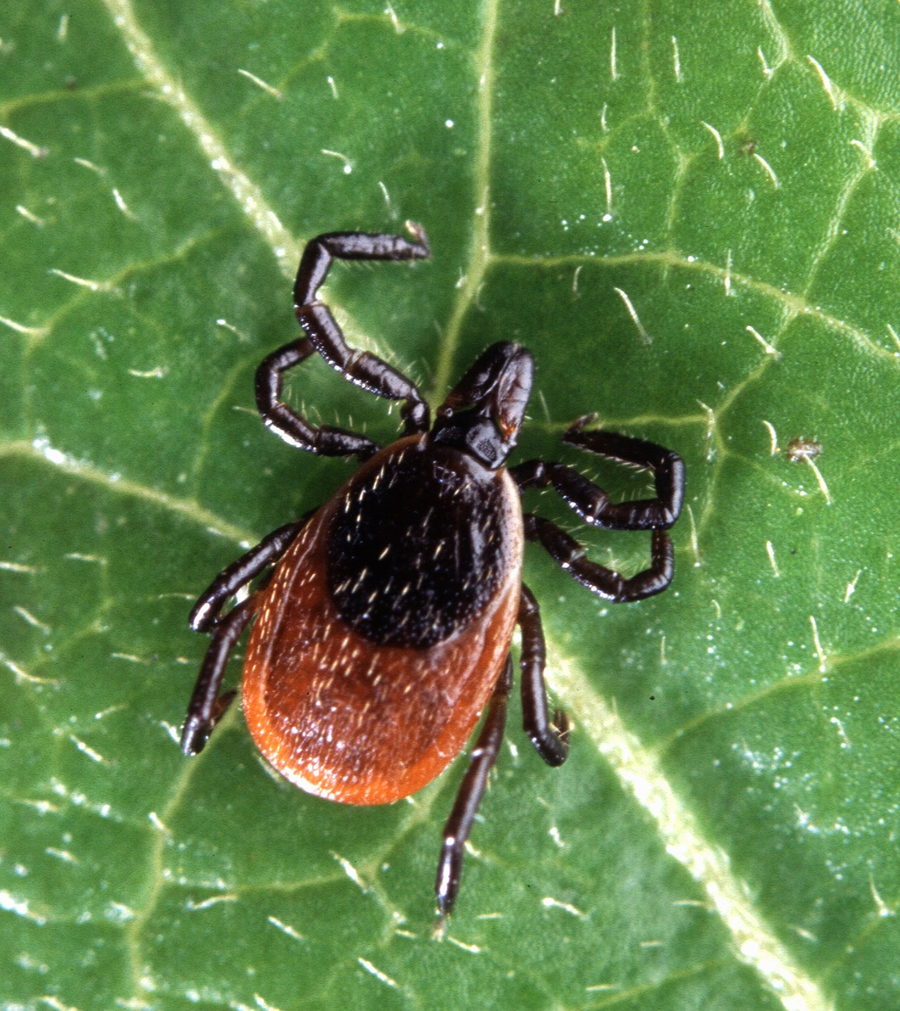
The blacklegged tick, also called the deer tick, is a tiny arachnid that attaches to hosts and feeds on blood, transmitting Lyme disease and other pathogens in eastern North America. Unfed nymphs are poppy-seed sized; adults are larger and most active in fall. Listed Not Evaluated by IUCN.
Key takeaway
The blacklegged tick, also called the deer tick, is a tiny arachnid that attaches to hosts and feeds on blood, transmitting Lyme disease and other pathogens in eastern North America. Unfed nymphs are poppy-seed sized; adults are larger and most active in fall. Listed Not Evaluated by IUCN.
Blacklegged Tick overview
Blacklegged Tick (Ixodes scapularis) is a invertebrate listed here as Not Evaluated. Typical weight 1–5 mg (0.000001–0.000005 kg) depending on stage; lifespan around 2–3 years across larva, nymph, and adult stages.
Blacklegged Tick ecology
Diet: Blood — feeds on mammals, birds, and reptiles. Habitat: Deciduous forests, leaf litter, and grassy edges of eastern North America. Movement and social systems reflect those pressures across the native range.
Blacklegged Ticks and people
Learn before you travel or keep related pets. Wild blacklegged ticks are not toys; captive care needs species-specific husbandry.
Status and further reading
Conservation label in our guides: Not Evaluated. See the full Blacklegged Tick profile for taxonomy, FAQs, and related topic guides on this site.
Three-host life cycle
Blacklegged ticks feed once at each life stage — larva, nymph, and adult — dropping off between hosts to moult. White-tailed deer are critical adult hosts that distribute ticks, while mice and birds infect nymphs with Lyme bacteria during larval and nymphal feeds.
Questing behaviour
Ticks climb vegetation and extend front legs to latch onto passing hosts — a behaviour called questing. They detect carbon dioxide, heat, and vibration. Permethrin-treated clothing and DEET repellents reduce attachment during hiking.
Sources
Blacklegged Tick FAQs
What are key facts about blacklegged ticks?
The blacklegged tick, also called the deer tick, is a tiny arachnid that attaches to hosts and feeds on blood, transmitting Lyme disease and other pathogens in eastern North America. Unfed nymphs are poppy-seed sized; adults are larger and most active in fall. Listed Not Evaluated by IUCN.
What is the scientific name of the blacklegged tick?
Ixodes scapularis — used in research and conservation listings for blacklegged ticks.
What do blacklegged ticks eat?
Blacklegged Ticks eat mammals, birds, and reptiles, with seasonal and regional variation in Deciduous forests, leaf litter, and grassy edges of eastern North America.
Where do blacklegged ticks live?
They are associated with Deciduous forests, leaf litter, and grassy edges of eastern North America. Local presence depends on food, cover, and human land use.
What is the conservation status of blacklegged ticks?
Listed in our guides as Not Evaluated. Check the IUCN Red List and national assessments for the latest formal category.