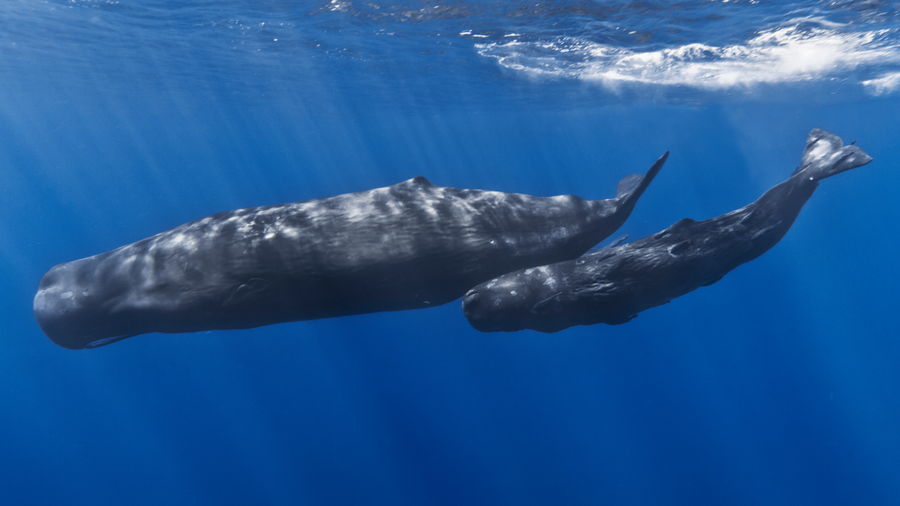
Quick answer
The sperm whale is the largest toothed predator on Earth, with males reaching 16–20 m (52–66 ft) and over 50 tonnes. Famous for deep dives exceeding 2,000 m hunting giant squid, it has the largest brain of any animal and lives in social female-led pods across the world's oceans.
Key takeaway
The sperm whale is the largest toothed predator on Earth, with males reaching 16–20 m (52–66 ft) and over 50 tonnes. Famous for deep dives exceeding 2,000 m hunting giant squid, it has the largest brain of any animal and lives in social female-led pods across the world's oceans.
Sperm Whale overview
Sperm Whale (Physeter macrocephalus) is a mammal listed here as Vulnerable. Typical weight Males up to 57,000 kg; females 15,000 kg; lifespan around 60–70 years.
Sperm Whale ecology
Diet: Carnivore — squid, deep-sea fish, and occasional sharks. Habitat: Deep offshore waters worldwide; males range into polar seas. Movement and social systems reflect those pressures across the native range.
Sperm Whales and people
Learn before you travel or keep related pets. Wild sperm whales are not toys; captive care needs species-specific husbandry.
Status and further reading
Conservation label in our guides: Vulnerable. See the full Sperm Whale profile for taxonomy, FAQs, and related topic guides on this site.
Extreme deep diving
Sperm whales hunt in darkness more than a kilometre down, holding breath for over an hour. Spermaceti organs in the huge head may aid echolocation or buoyancy control. Scars from giant squid tentacles are common on bulls.
Pod society and clicking
Females and young live in stable matrilineal pods, while mature males roam alone or in bachelor groups at higher latitudes. Coda clicks — patterned sequences — may function as clan identifiers across populations.
Sources
Sperm Whale FAQs
What are key facts about sperm whales?
The sperm whale is the largest toothed predator on Earth, with males reaching 16–20 m (52–66 ft) and over 50 tonnes. Famous for deep dives exceeding 2,000 m hunting giant squid, it has the largest brain of any animal and lives in social female-led pods across the world's oceans.
What is the scientific name of the sperm whale?
Physeter macrocephalus — used in research and conservation listings for sperm whales.
What do sperm whales eat?
Sperm Whales eat squid, deep-sea fish, and occasional sharks, with seasonal and regional variation in Deep offshore waters worldwide; males range into polar seas.
Where do sperm whales live?
They are associated with Deep offshore waters worldwide; males range into polar seas. Local presence depends on food, cover, and human land use.
What is the conservation status of sperm whales?
Listed in our guides as Vulnerable. Check the IUCN Red List and national assessments for the latest formal category.