Quick answer
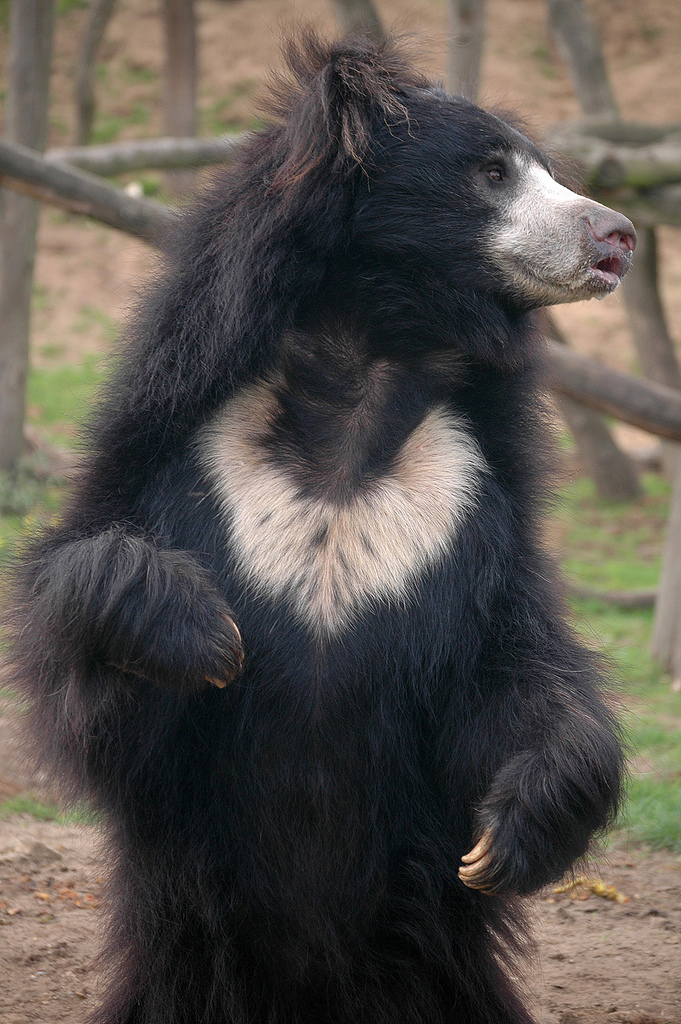
The sloth bear is a shaggy, long-snouted bear of the Indian subcontinent that feeds mainly on termites and ants, sucking them up with a gap-toothed jaw and mobile lips. Adults weigh 55–145 kg (120–320 lb), carry cubs on their backs, and are listed Vulnerable from habitat loss and conflict.
Key takeaway
The sloth bear is a shaggy, long-snouted bear of the Indian subcontinent that feeds mainly on termites and ants, sucking them up with a gap-toothed jaw and mobile lips. Adults weigh 55–145 kg (120–320 lb), carry cubs on their backs, and are listed Vulnerable from habitat loss and conflict.
Sloth Bear overview
Sloth Bear (Melursus ursinus) is a mammal listed here as Vulnerable. Typical weight 55–145 kg (120–320 lb); males heavier; lifespan around 20–25 years in the wild.
Sloth Bear ecology
Diet: Omnivore — termites, ants, fruit, and honey. Habitat: Dry and moist forests, grasslands, and scrub of the Indian subcontinent. Movement and social systems reflect those pressures across the native range.
Sloth Bears and people
Learn before you travel or keep related pets. Wild sloth bears are not toys; captive care needs species-specific husbandry.
Status and further reading
Conservation label in our guides: Vulnerable. See the full Sloth Bear profile for taxonomy, FAQs, and related topic guides on this site.
Termite specialist
Sloth bears lack upper incisors, creating a gap that lets them suck insects efficiently. They rip open termite mounds with long claws and blow away dirt before vacuuming up colonies. During fruiting season they also eat figs, mangoes, and flowers.
Cub riding and family life
Sloth bear mothers are known for carrying cubs on their backs for several months — unusual among bears. Cubs are born in an underground den and emerge to ride the mother through territory where tigers and leopards pose threats.
Sources
Sloth Bear FAQs
What are key facts about sloth bears?
The sloth bear is a shaggy, long-snouted bear of the Indian subcontinent that feeds mainly on termites and ants, sucking them up with a gap-toothed jaw and mobile lips. Adults weigh 55–145 kg (120–320 lb), carry cubs on their backs, and are listed Vulnerable from habitat loss and conflict.
What is the scientific name of the sloth bear?
Melursus ursinus — used in research and conservation listings for sloth bears.
What do sloth bears eat?
Sloth Bears eat termites, ants, fruit, and honey, with seasonal and regional variation in Dry and moist forests, grasslands, and scrub of the Indian subcontinent.
Where do sloth bears live?
They are associated with Dry and moist forests, grasslands, and scrub of the Indian subcontinent. Local presence depends on food, cover, and human land use.
What is the conservation status of sloth bears?
Listed in our guides as Vulnerable. Check the IUCN Red List and national assessments for the latest formal category.