Quick answer
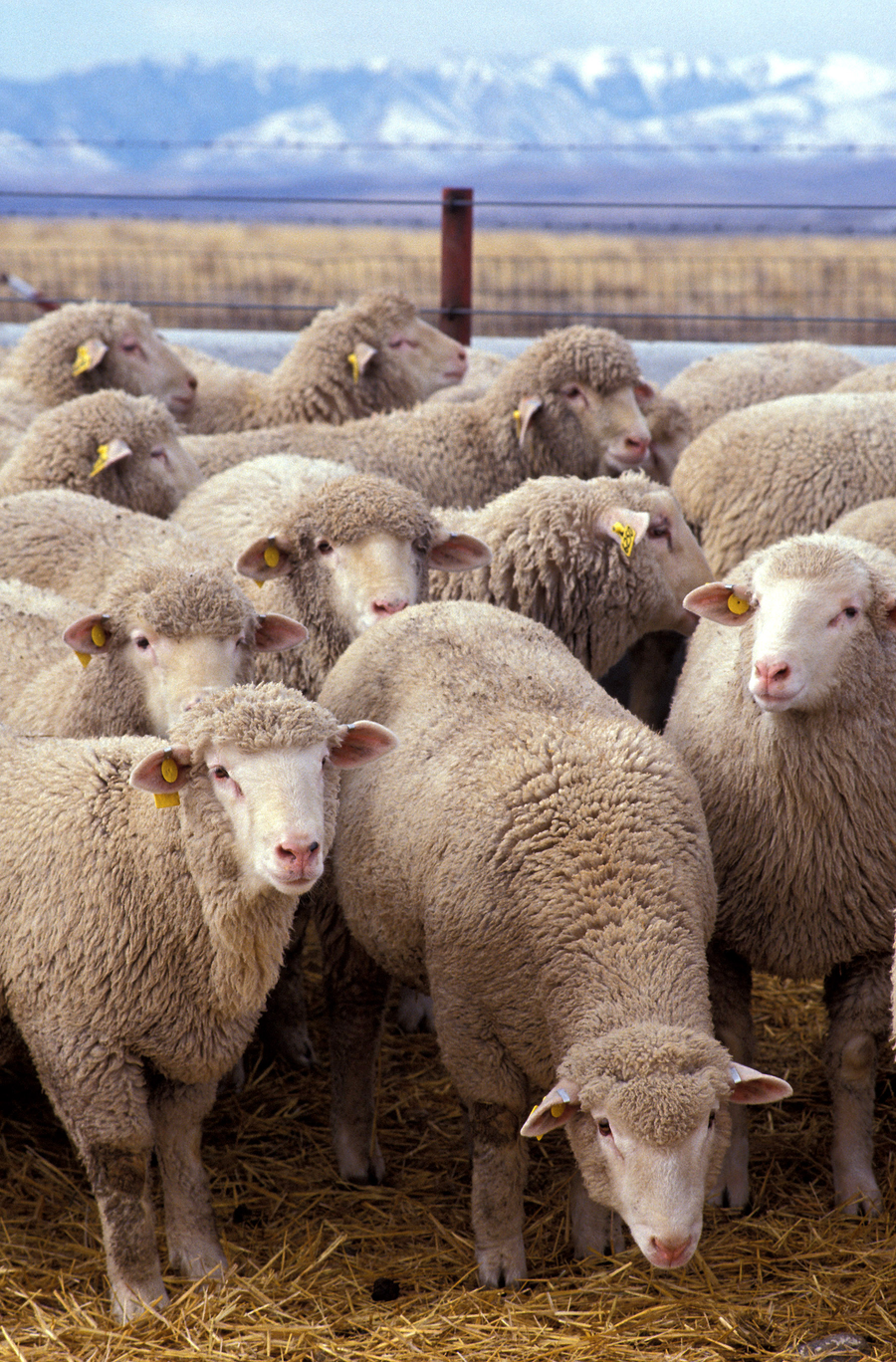
Domestic sheep were among the first animals farmed over 10,000 years ago, providing wool, meat, and milk worldwide. Weighing about 80 kg, living 12 years, and sprinting 40 km/h when fleeing, they recognise faces and follow strong flock instincts.
Key takeaway
Domestic sheep were among the first animals farmed over 10,000 years ago, providing wool, meat, and milk worldwide. Weighing about 80 kg, living 12 years, and sprinting 40 km/h when fleeing, they recognise faces and follow strong flock instincts.
Domestic Sheep overview
Domestic Sheep (Ovis aries) is a mammal listed here as Domesticated. Typical weight 45–160 kg (100–350 lb); breeds vary enormously; lifespan around 10–12 years (longer for pet sheep).
Domestic Sheep ecology
Diet: Herbivore — grasses, forbs, and hay. Habitat: Pasture and rangeland on every inhabited continent. Movement and social systems reflect those pressures across the native range.
Domestic Sheeps and people
Learn before you travel or keep related pets. Wild domestic sheeps are not toys; captive care needs species-specific husbandry.
Status and further reading
Conservation label in our guides: Domesticated. See the full Domestic Sheep profile for taxonomy, FAQs, and related topic guides on this site.
Conservation and coexistence
Listed as Domesticated on the IUCN Red List. Habitat loss, hunting, and climate change threaten many populations. Responsible ecotourism and community conservation help in parts of their range. Never approach or feed wild domestic sheep.
Human interest and research
Domestic Sheeps feature in folklore, tourism, and scientific study worldwide. Ongoing research tracks population trends, genetics, and responses to environmental change — data that guides national protection policies.
Sources
Domestic Sheep FAQs
What are key facts about domestic sheeps?
Domestic sheep were among the first animals farmed over 10,000 years ago, providing wool, meat, and milk worldwide. Weighing about 80 kg, living 12 years, and sprinting 40 km/h when fleeing, they recognise faces and follow strong flock instincts.
What is the scientific name of the domestic sheep?
Ovis aries — used in research and conservation listings for domestic sheeps.
What do domestic sheeps eat?
Domestic Sheeps eat grasses, forbs, and hay, with seasonal and regional variation in Pasture and rangeland on every inhabited continent.
Where do domestic sheeps live?
They are associated with Pasture and rangeland on every inhabited continent. Local presence depends on food, cover, and human land use.
What is the conservation status of domestic sheeps?
Listed in our guides as Domesticated. Check the IUCN Red List and national assessments for the latest formal category.