Quick answer
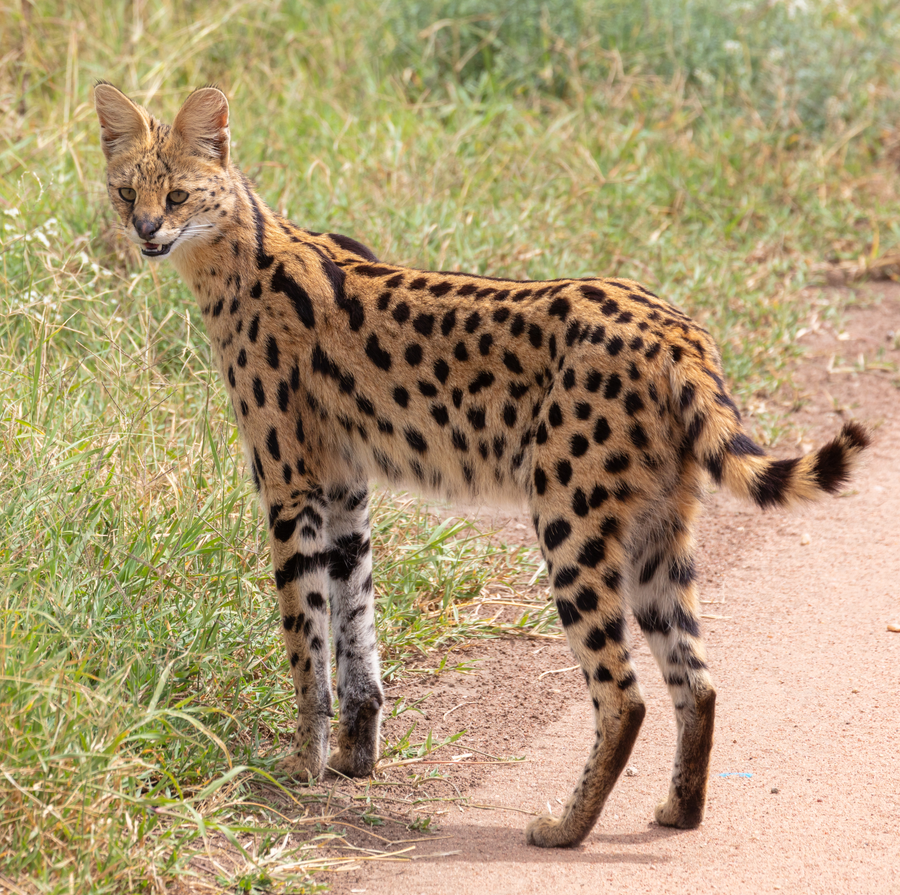
The serval is a slender African wild cat with the longest legs relative to body size of any felid, huge ears, and a high vertical pounce that plucks birds and rodents from tall grass. Weighing 9–18 kg (20–40 lb), it hunts in savannas and wetlands and is Least Concern across sub-Saharan Africa.
Key takeaway
The serval is a slender African wild cat with the longest legs relative to body size of any felid, huge ears, and a high vertical pounce that plucks birds and rodents from tall grass. Weighing 9–18 kg (20–40 lb), it hunts in savannas and wetlands and is Least Concern across sub-Saharan Africa.
Serval overview
Serval (Leptailurus serval) is a mammal listed here as Least Concern. Typical weight 9–18 kg (20–40 lb); males larger; lifespan around 10–19 years in the wild.
Serval ecology
Diet: Carnivore — rodents, birds, frogs, and insects. Habitat: African savannas, grasslands, and wetlands near water. Movement and social systems reflect those pressures across the native range.
Servals and people
Learn before you travel or keep related pets. Wild servals are not toys; captive care needs species-specific husbandry.
Status and further reading
Conservation label in our guides: Least Concern. See the full Serval profile for taxonomy, FAQs, and related topic guides on this site.
Vertical pounce hunting
Servals locate prey by sound in tall grass, then leap straight up and strike down with forepaws — catching more than 50% of targets in some studies. This spectacular hunting style is unique among cats and inspired the domestic savannah cat breed.
Acute hearing
Enormous ears with sharp localisation help servals detect rodents rustling underground or birds moving in grass. Large ear bones and tight skull attachment maximise sensitivity — servals often hunt with eyes closed, relying entirely on sound.
Sources
Serval FAQs
What are key facts about servals?
The serval is a slender African wild cat with the longest legs relative to body size of any felid, huge ears, and a high vertical pounce that plucks birds and rodents from tall grass. Weighing 9–18 kg (20–40 lb), it hunts in savannas and wetlands and is Least Concern across sub-Saharan Africa.
What is the scientific name of the serval?
Leptailurus serval — used in research and conservation listings for servals.
What do servals eat?
Servals eat rodents, birds, frogs, and insects, with seasonal and regional variation in African savannas, grasslands, and wetlands near water.
Where do servals live?
They are associated with African savannas, grasslands, and wetlands near water. Local presence depends on food, cover, and human land use.
What is the conservation status of servals?
Listed in our guides as Least Concern. Check the IUCN Red List and national assessments for the latest formal category.