Quick answer
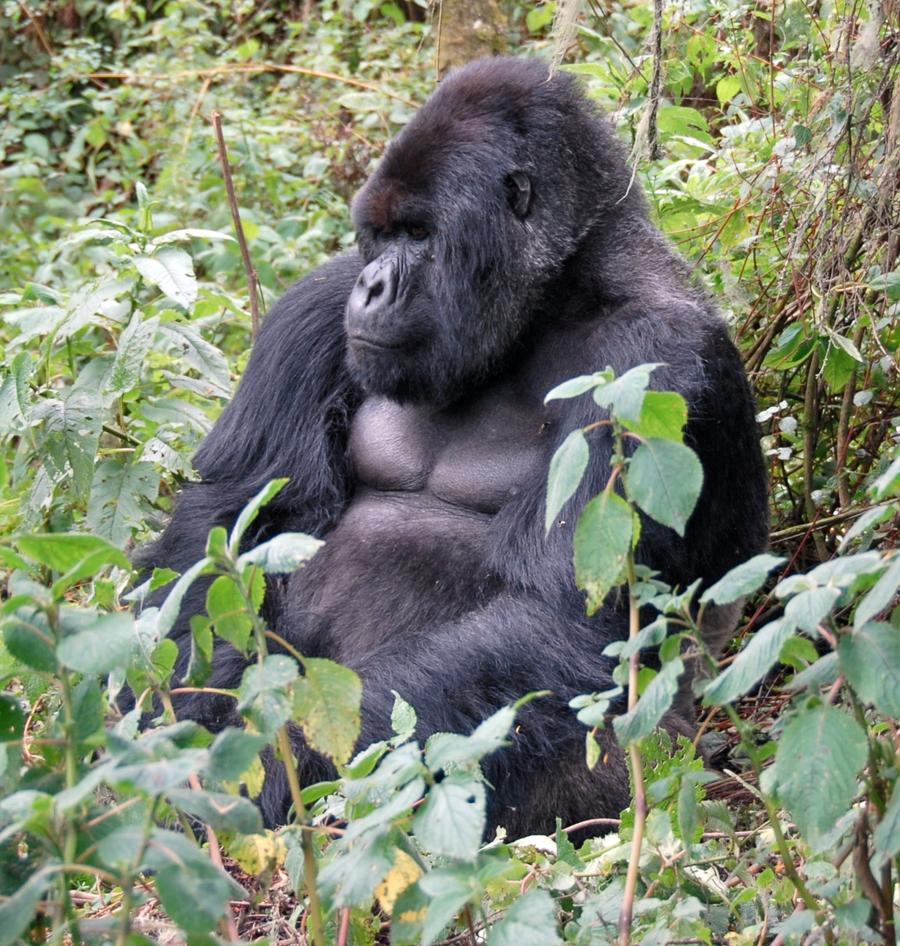
The mountain gorilla is a subspecies of eastern gorilla living in the cloud forests of the Virunga volcanoes and Bwindi Impenetrable Forest, with fewer than 1,100 individuals remaining. Adult silverback males weigh 140–220 kg (310–485 lb), live in stable family groups, and are listed Endangered despite decades of conservation success.
Key takeaway
The mountain gorilla is a subspecies of eastern gorilla living in the cloud forests of the Virunga volcanoes and Bwindi Impenetrable Forest, with fewer than 1,100 individuals remaining. Adult silverback males weigh 140–220 kg (310–485 lb), live in stable family groups, and are listed Endangered despite decades of conservation success.
Mountain Gorilla overview
Mountain Gorilla (Gorilla beringei beringei) is a mammal listed here as Endangered. Typical weight Males 140–220 kg; females 70–100 kg; lifespan around 35–40 years in the wild.
Mountain Gorilla ecology
Diet: Herbivore — leaves, shoots, stems, fruit, and bark. Habitat: Montane and bamboo cloud forests at 2,200–4,300 m elevation. Movement and social systems reflect those pressures across the native range.
Mountain Gorillas and people
Learn before you travel or keep related pets. Wild mountain gorillas are not toys; captive care needs species-specific husbandry.
Status and further reading
Conservation label in our guides: Endangered. See the full Mountain Gorilla profile for taxonomy, FAQs, and related topic guides on this site.
Silverback society
Each group centres on a dominant silverback male who leads, protects, and mediates disputes among females and younger males. Groups typically contain 5–30 individuals with strong bonds — grooming, play, and vocalisations maintain cohesion in dense forest where visibility is limited.
High-altitude foraging
Mountain gorillas spend much of the day eating bulky vegetation — wild celery, bamboo shoots, thistles, and nettles — requiring hours of continuous feeding to meet energy needs at cold elevations. They rarely drink standing water, obtaining moisture from plants.
Sources
Mountain Gorilla FAQs
What are key facts about mountain gorillas?
The mountain gorilla is a subspecies of eastern gorilla living in the cloud forests of the Virunga volcanoes and Bwindi Impenetrable Forest, with fewer than 1,100 individuals remaining. Adult silverback males weigh 140–220 kg (310–485 lb), live in stable family groups, and are listed Endangered despite decades of conservation success.
What is the scientific name of the mountain gorilla?
Gorilla beringei beringei — used in research and conservation listings for mountain gorillas.
What do mountain gorillas eat?
Mountain Gorillas eat leaves, shoots, stems, fruit, and bark, with seasonal and regional variation in Montane and bamboo cloud forests at 2,200–4,300 m elevation.
Where do mountain gorillas live?
They are associated with Montane and bamboo cloud forests at 2,200–4,300 m elevation. Local presence depends on food, cover, and human land use.
What is the conservation status of mountain gorillas?
Listed in our guides as Endangered. Check the IUCN Red List and national assessments for the latest formal category.