Quick answer
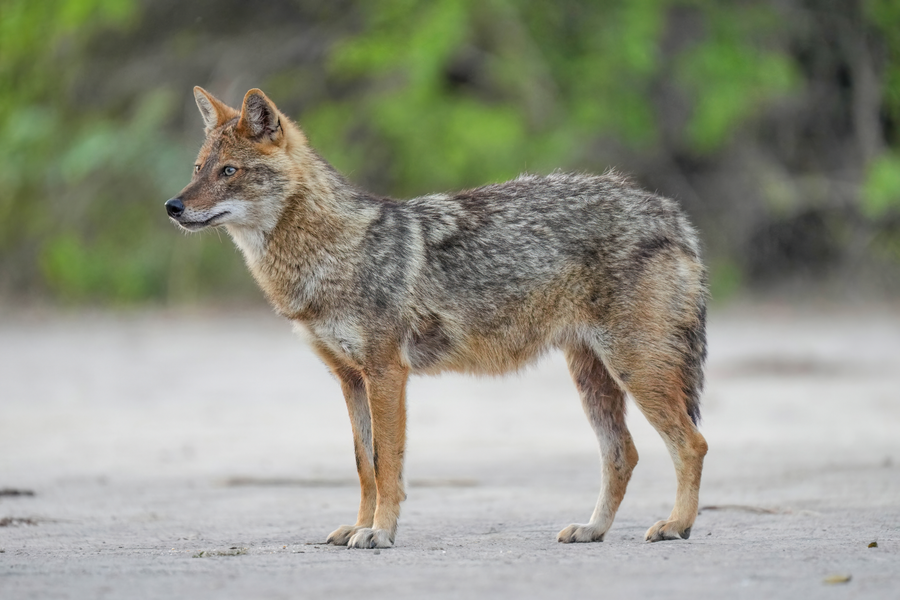
The golden jackal is a medium-sized canid with a golden coat and pointed ears, found from Africa through the Middle East to southern Asia and expanding into Europe. Omnivorous and adaptable, jackals weigh 7–15 kg (15–33 lb), pair-bond for life, and vocalise with yips and howls at dusk.
Key takeaway
The golden jackal is a medium-sized canid with a golden coat and pointed ears, found from Africa through the Middle East to southern Asia and expanding into Europe. Omnivorous and adaptable, jackals weigh 7–15 kg (15–33 lb), pair-bond for life, and vocalise with yips and howls at dusk.
Golden Jackal overview
Golden Jackal (Canis aureus) is a mammal listed here as Least Concern. Typical weight 7–15 kg (15–33 lb); males slightly larger; lifespan around 11–13 years in the wild.
Golden Jackal ecology
Diet: Omnivore — rodents, fruit, insects, carrion, and refuse. Habitat: Savannas, farmland, scrub, and forest edges across Eurasia and Africa. Movement and social systems reflect those pressures across the native range.
Golden Jackals and people
Learn before you travel or keep related pets. Wild golden jackals are not toys; captive care needs species-specific husbandry.
Status and further reading
Conservation label in our guides: Least Concern. See the full Golden Jackal profile for taxonomy, FAQs, and related topic guides on this site.
Omnivorous opportunist
Golden jackals thrive on varied diets — hunting rodents and hares, scavenging kills, eating fruit and insects, and raiding crops and rubbish near villages. This flexibility helps explain their expansion into new areas including parts of central and eastern Europe.
Pair bonds and vocal packs
Jackals often mate for life, with pairs defending territories together. Family groups may include grown offspring helping raise the next litter. Their evening chorus of yips and howls carries across open country.
Sources
Golden Jackal FAQs
What are key facts about golden jackals?
The golden jackal is a medium-sized canid with a golden coat and pointed ears, found from Africa through the Middle East to southern Asia and expanding into Europe. Omnivorous and adaptable, jackals weigh 7–15 kg (15–33 lb), pair-bond for life, and vocalise with yips and howls at dusk.
What is the scientific name of the golden jackal?
Canis aureus — used in research and conservation listings for golden jackals.
What do golden jackals eat?
Golden Jackals eat rodents, fruit, insects, carrion, and refuse, with seasonal and regional variation in Savannas, farmland, scrub, and forest edges across Eurasia and Africa.
Where do golden jackals live?
They are associated with Savannas, farmland, scrub, and forest edges across Eurasia and Africa. Local presence depends on food, cover, and human land use.
What is the conservation status of golden jackals?
Listed in our guides as Least Concern. Check the IUCN Red List and national assessments for the latest formal category.