Quick answer
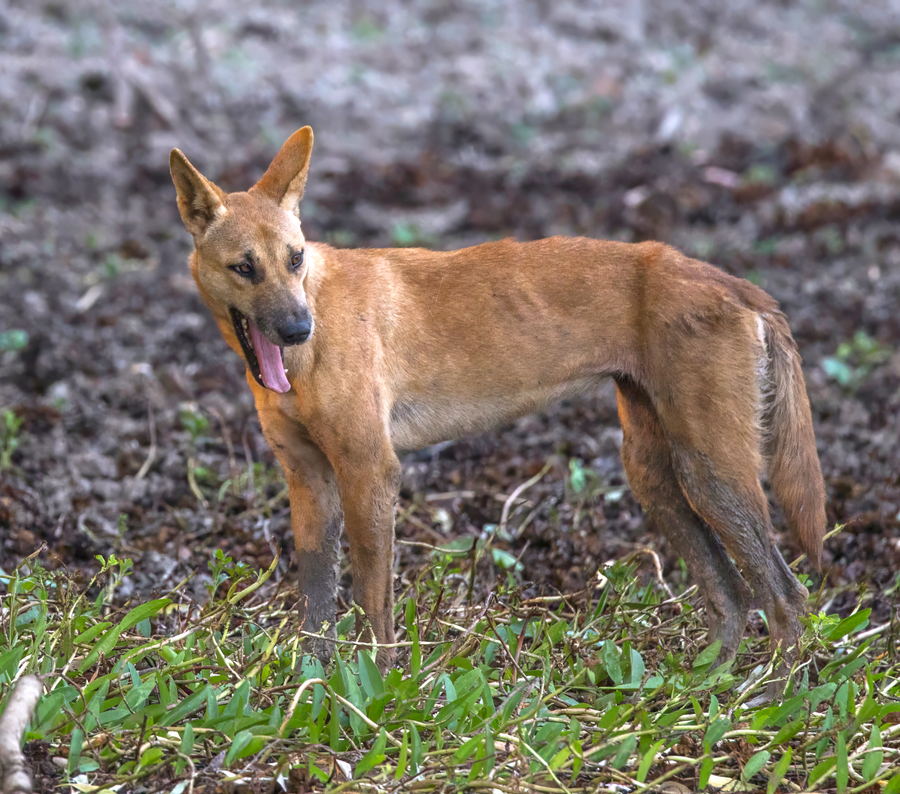
The dingo is a wild canid of Australia, descended from domestic dogs brought by humans thousands of years ago. Tan or ginger coat, erect ears, and a bushy tail distinguish most dingoes, which hunt kangaroos and rabbits across deserts, grasslands, and forests.
Key takeaway
The dingo is a wild canid of Australia, descended from domestic dogs brought by humans thousands of years ago. Tan or ginger coat, erect ears, and a bushy tail distinguish most dingoes, which hunt kangaroos and rabbits across deserts, grasslands, and forests.
Dingo overview
Dingo (Canis familiaris dingo) is a mammal listed here as Vulnerable. Typical weight 13–20 kg (29–44 lb); males larger; lifespan around 5–10 years in the wild.
Dingo ecology
Diet: Carnivore — kangaroos, rabbits, rodents, and carrion. Habitat: Most of mainland Australia except intensive farmland. Movement and social systems reflect those pressures across the native range.
Dingos and people
Learn before you travel or keep related pets. Wild dingos are not toys; captive care needs species-specific husbandry.
Status and further reading
Conservation label in our guides: Vulnerable. See the full Dingo profile for taxonomy, FAQs, and related topic guides on this site.
Origin and classification
Dingoes arrived in Australia at least 3,500 years ago with seafaring people. They are classified as Canis familiaris dingo — a feral or wild lineage of dog — rather than a separate wolf species. Pure dingoes rarely bark; they howl and whine.
Ecological role
As apex predators, dingoes regulate kangaroo and introduced pest numbers. Some ecologists argue dingo presence reduces mesopredator impacts on smaller native mammals. Hybridisation with domestic dogs threatens genetically pure dingo populations.
Sources
Dingo FAQs
What are key facts about dingos?
The dingo is a wild canid of Australia, descended from domestic dogs brought by humans thousands of years ago. Tan or ginger coat, erect ears, and a bushy tail distinguish most dingoes, which hunt kangaroos and rabbits across deserts, grasslands, and forests.
What is the scientific name of the dingo?
Canis familiaris dingo — used in research and conservation listings for dingos.
What do dingos eat?
Dingos eat kangaroos, rabbits, rodents, and carrion, with seasonal and regional variation in Most of mainland Australia except intensive farmland.
Where do dingos live?
They are associated with Most of mainland Australia except intensive farmland. Local presence depends on food, cover, and human land use.
What is the conservation status of dingos?
Listed in our guides as Vulnerable. Check the IUCN Red List and national assessments for the latest formal category.
Who this page is for. Read the dingo profile if you want the full biology; this page answers one question.