Quick answer
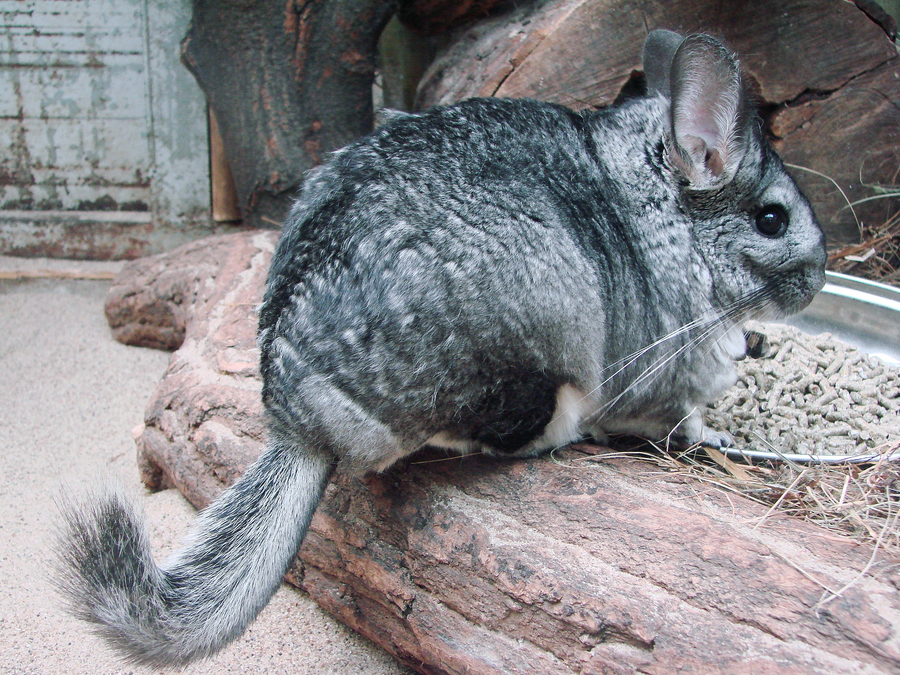
Chinchillas are small rodents from the high Andes, famed for the densest fur of any land mammal — up to 80 hairs per follicle. Wild populations are endangered from historic over-trapping; domestic chinchillas are popular pets that need dust baths, cool dry housing, and gentle handling.
Key takeaway
Chinchillas are small rodents from the high Andes, famed for the densest fur of any land mammal — up to 80 hairs per follicle. Wild populations are endangered from historic over-trapping; domestic chinchillas are popular pets that need dust baths, cool dry housing, and gentle handling.
Chinchilla overview
Chinchilla (Chinchilla lanigera) is a mammal listed here as Endangered. Typical weight 400–600 g (14–21 oz); lifespan around 10–15 years in captivity (shorter in the wild).
Chinchilla ecology
Diet: Herbivore — hay, chinchilla pellets, and limited treats. Habitat: High-altitude rocky slopes of the Andes; domestic worldwide. Movement and social systems reflect those pressures across the native range.
Chinchillas and people
Learn before you travel or keep related pets. Wild chinchillas are not toys; captive care needs species-specific husbandry.
Status and further reading
Conservation label in our guides: Endangered. See the full Chinchilla profile for taxonomy, FAQs, and related topic guides on this site.
Extraordinary fur
Chinchilla fur is so dense that fleas and parasites struggle to penetrate it. Native people and later fur traders valued pelts so highly that wild chinchillas were trapped nearly to extinction by the early 1900s. Today international trade in wild chinchilla fur is restricted.
Dust baths and grooming
Instead of water, chinchillas clean themselves in fine volcanic dust that absorbs oil and dirt from the coat. Pet chinchillas need regular dust baths and must never be bathed in water, which can cause fungal problems in their dense fur.
Sources
Chinchilla FAQs
What are key facts about chinchillas?
Chinchillas are small rodents from the high Andes, famed for the densest fur of any land mammal — up to 80 hairs per follicle. Wild populations are endangered from historic over-trapping; domestic chinchillas are popular pets that need dust baths, cool dry housing, and gentle handling.
What is the scientific name of the chinchilla?
Chinchilla lanigera — used in research and conservation listings for chinchillas.
What do chinchillas eat?
Chinchillas eat hay, chinchilla pellets, and limited treats, with seasonal and regional variation in High-altitude rocky slopes of the Andes; domestic worldwide.
Where do chinchillas live?
They are associated with High-altitude rocky slopes of the Andes; domestic worldwide. Local presence depends on food, cover, and human land use.
What is the conservation status of chinchillas?
Listed in our guides as Endangered. Check the IUCN Red List and national assessments for the latest formal category.