Quick answer
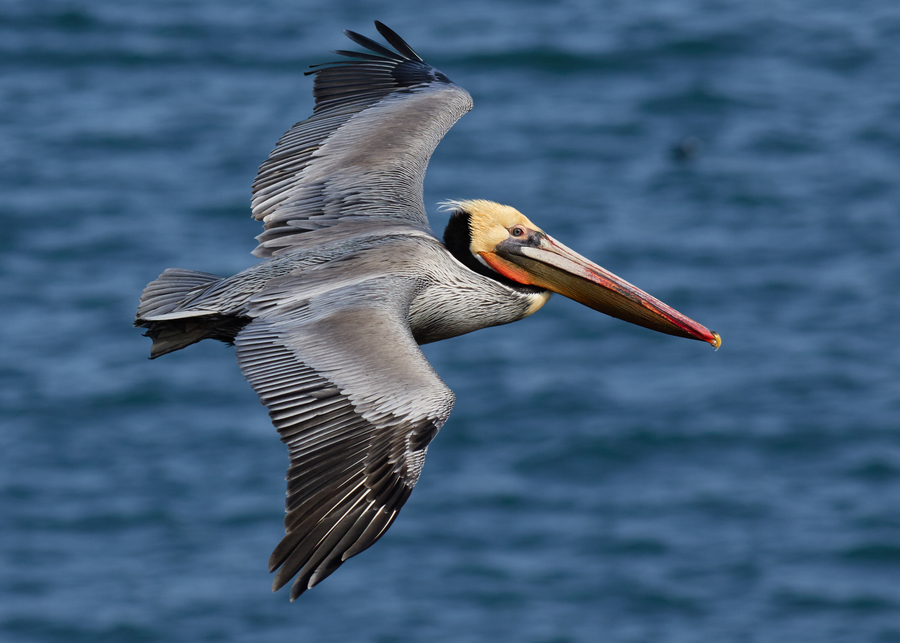
The brown pelican dives from heights into fish schools, scooping prey in an expandable throat pouch. Weighing about 4 kg, living about 25 years, and flying 48 km/h, it recovered spectacularly after DDT caused eggshell thinning — a major conservation success.
Key takeaway
The brown pelican dives from heights into fish schools, scooping prey in an expandable throat pouch. Weighing about 4 kg, living about 25 years, and flying 48 km/h, it recovered spectacularly after DDT caused eggshell thinning — a major conservation success.
Brown Pelican overview
Brown Pelican (Pelecanus occidentalis) is a bird listed here as Least Concern. Typical weight 2–5 kg (4.4–11 lb); males slightly larger; lifespan around 20–25 years in the wild.
Brown Pelican ecology
Diet: Piscivore — mainly fish such as anchovies and sardines. Habitat: Coastal Americas, Caribbean, and Galápagos. Movement and social systems reflect those pressures across the native range.
Brown Pelicans and people
Learn before you travel or keep related pets. Wild brown pelicans are not toys; captive care needs species-specific husbandry.
Status and further reading
Conservation label in our guides: Least Concern. See the full Brown Pelican profile for taxonomy, FAQs, and related topic guides on this site.
Conservation and coexistence
Listed as Least Concern on the IUCN Red List. Habitat loss, hunting, and climate change threaten many populations. Responsible ecotourism and community conservation help in parts of their range. Never approach or feed wild brown pelicans.
Human interest and research
Brown Pelicans feature in folklore, tourism, and scientific study worldwide. Ongoing research tracks population trends, genetics, and responses to environmental change — data that guides national protection policies.
Sources
Brown Pelican FAQs
What are key facts about brown pelicans?
The brown pelican dives from heights into fish schools, scooping prey in an expandable throat pouch. Weighing about 4 kg, living about 25 years, and flying 48 km/h, it recovered spectacularly after DDT caused eggshell thinning — a major conservation success.
What is the scientific name of the brown pelican?
Pelecanus occidentalis — used in research and conservation listings for brown pelicans.
What do brown pelicans eat?
Brown Pelicans eat mainly fish such as anchovies and sardines, with seasonal and regional variation in Coastal Americas, Caribbean, and Galápagos.
Where do brown pelicans live?
They are associated with Coastal Americas, Caribbean, and Galápagos. Local presence depends on food, cover, and human land use.
What is the conservation status of brown pelicans?
Listed in our guides as Least Concern. Check the IUCN Red List and national assessments for the latest formal category.