Quick answer
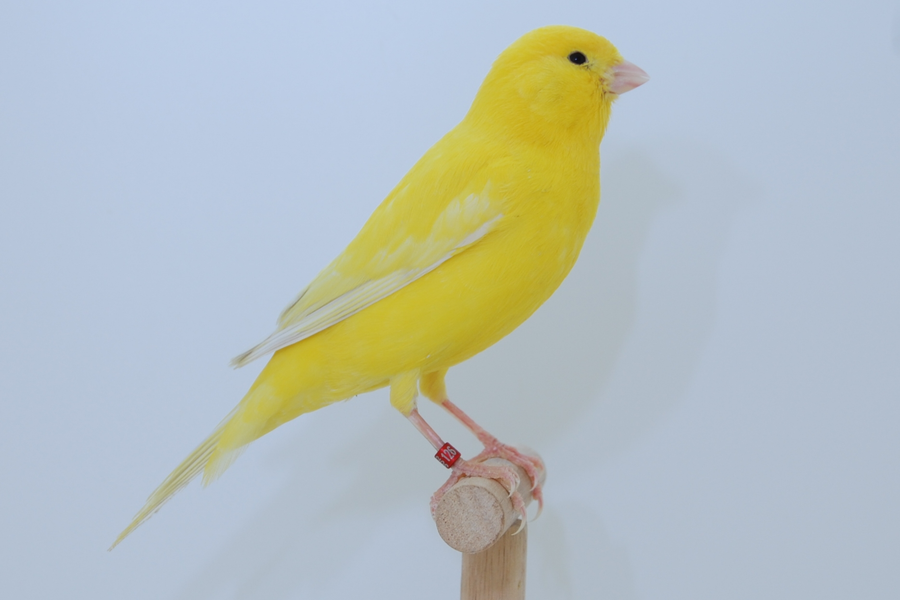
Canaries are domesticated songbirds descended from wild Atlantic canaries of the Canary Islands, Madeira, and the Azores. Bred for centuries for colour and song, they weigh 15–25 g (0.5–0.9 oz) and are kept in millions of households — while wild populations on their native islands remain Least Concern.
Key takeaway
Canaries are domesticated songbirds descended from wild Atlantic canaries of the Canary Islands, Madeira, and the Azores. Bred for centuries for colour and song, they weigh 15–25 g (0.5–0.9 oz) and are kept in millions of households — while wild populations on their native islands remain Least Concern.
Canary overview
Canary (Serinus canaria) is a bird listed here as Domesticated. Typical weight 15–25 g (0.5–0.9 oz); lifespan around 7–12 years in captivity; similar in the wild.
Canary ecology
Diet: Herbivore — seeds, greens, and egg food during breeding. Habitat: Domestic cages and aviaries; wild on Atlantic islands. Movement and social systems reflect those pressures across the native range.
Canarys and people
Learn before you travel or keep related pets. Wild canarys are not toys; captive care needs species-specific husbandry.
Status and further reading
Conservation label in our guides: Domesticated. See the full Canary profile for taxonomy, FAQs, and related topic guides on this site.
Domestication for song
Spanish and European breeders selected canaries for song quality from the 1500s onward, producing roller, timbrado, and American singer varieties with distinct melodies. Male canaries sing to defend territory and attract mates — hens chirp but typically do not produce elaborate song.
Wild Atlantic canary
Wild Serinus canaria on the Canary Islands, Madeira, and the Azores are streaky greenish-yellow finches of open woodland and coast. They were trapped and exported until captive breeding supplanted wild collection. Island populations remain secure.
Sources
Canary FAQs
What are key facts about canarys?
Canaries are domesticated songbirds descended from wild Atlantic canaries of the Canary Islands, Madeira, and the Azores. Bred for centuries for colour and song, they weigh 15–25 g (0.5–0.9 oz) and are kept in millions of households — while wild populations on their native islands remain Least Concern.
What is the scientific name of the canary?
Serinus canaria — used in research and conservation listings for canarys.
What do canarys eat?
Canarys eat seeds, greens, and egg food during breeding, with seasonal and regional variation in Domestic cages and aviaries; wild on Atlantic islands.
Where do canarys live?
They are associated with Domestic cages and aviaries; wild on Atlantic islands. Local presence depends on food, cover, and human land use.
What is the conservation status of canarys?
Listed in our guides as Domesticated. Check the IUCN Red List and national assessments for the latest formal category.